You scrubbed the basin, wiped the faucet, and yet that faint, unpleasant odor still wafts up from the drain. The problem isn’t your cleaning—it’s what you’re not cleaning. It’s a frustratingly common scenario: you put in the effort, but the sink smells after cleaning. This happens because the stench isn’t coming from the shiny porcelain or stainless steel you can see. It’s brewing in the hidden, damp ecosystems just out of sight. This article is a shift from reactive scrubbing to proactive habit-building. We’ll pinpoint the real culprits and give you a simple, effective routine to eliminate that persistent sink smell for good, turning a source of annoyance into a point of household pride.
A sink can smell after cleaning because the odor isn’t coming from the basin you scrubbed, but from hidden areas like the drain pipe, garbage disposal, or overflow holes where food, grease, and soap scum create a smelly biofilm. To fix it, you need to target these specific spots with the right tools and a simple maintenance routine. The solution combines a few key tools—like a drain brush and enzyme cleaner—with a quick, consistent weekly habit that addresses the root cause, not just the surface.
The Real Culprits: Where the Smell Actually Lives
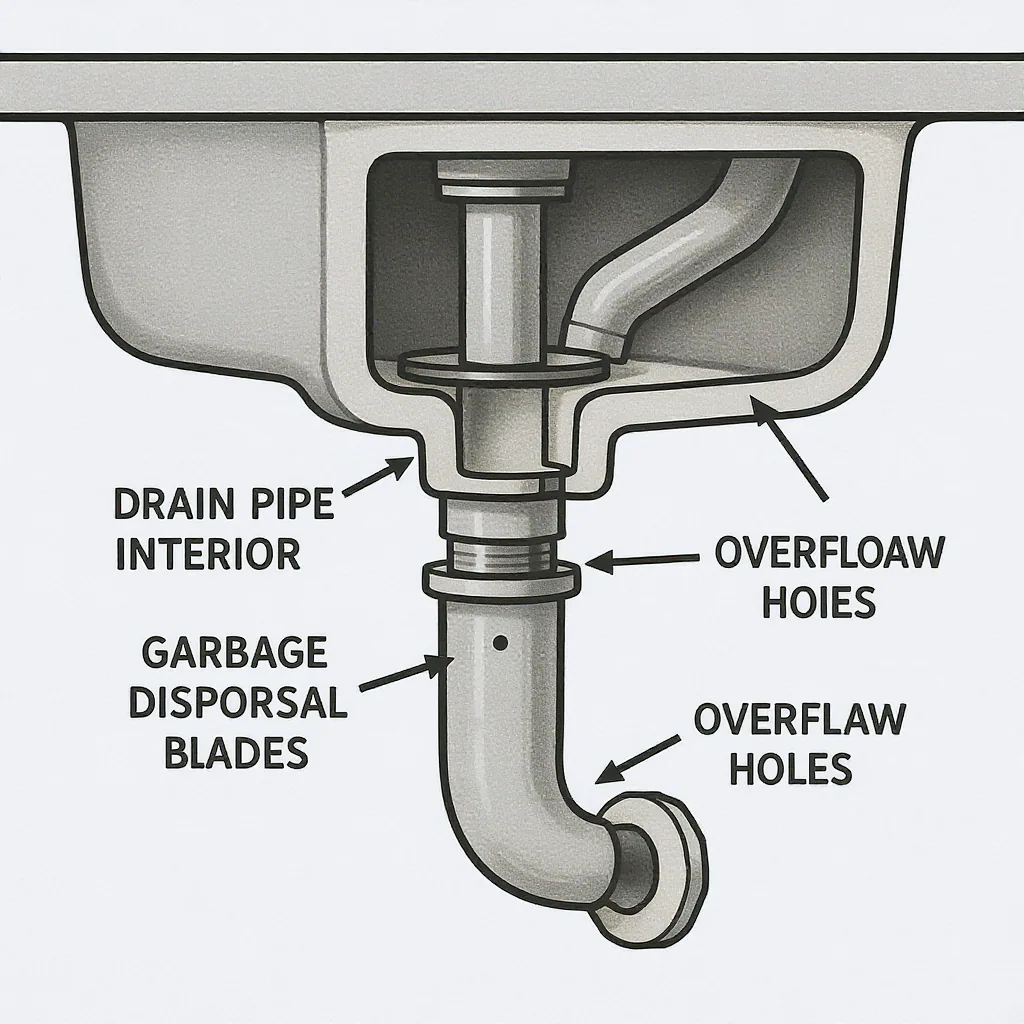
You can scrub your sink basin until it sparkles, but if the odor lingers, you’re cleaning the wrong thing. The smell isn’t coming from the porcelain or stainless steel you can see. It’s brewing in the hidden, damp ecosystems you can’t. To solve the problem of a persistent sink smell, you need to understand its four favorite hideouts.
The Drain Pipe & P-Trap
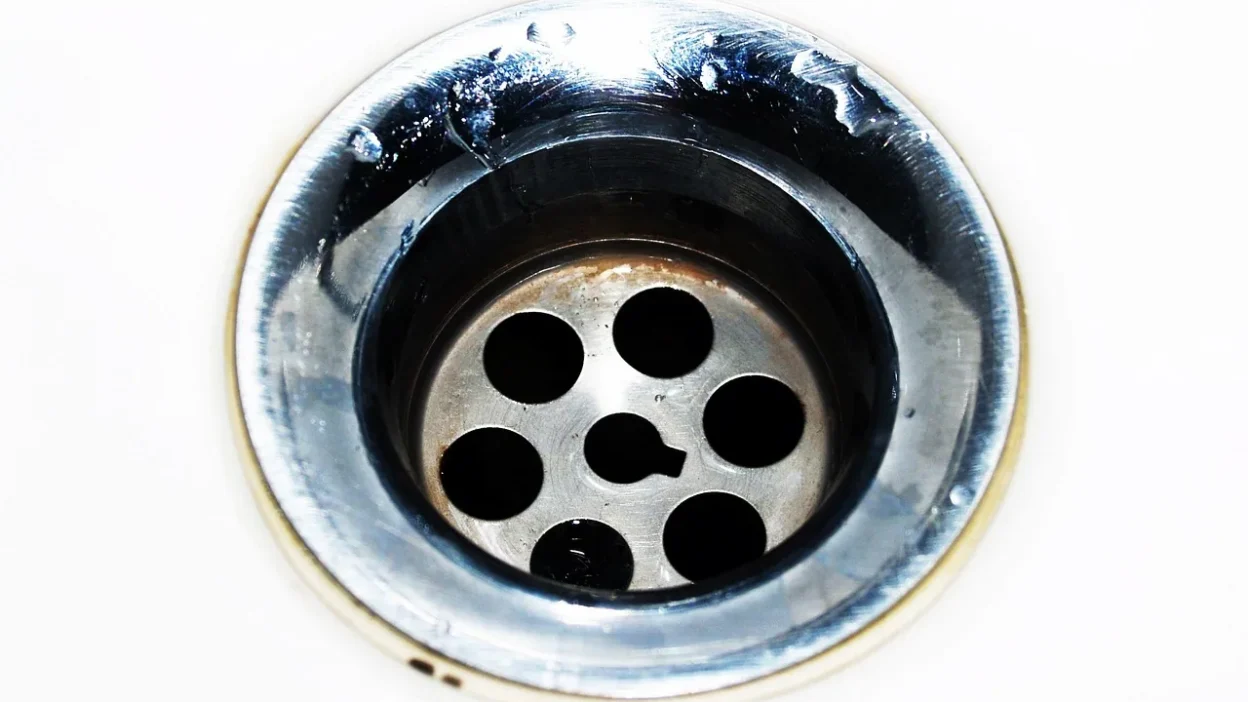
This is ground zero for drain odor after cleaning. The curved pipe under your sink, called the P-trap, holds water to block sewer gases. But it also catches food scraps, grease, and soap scum. Over time, this sludge decomposes and creates a smelly, slimy layer called biofilm on the pipe walls. Surface cleaning does nothing to touch this.
The Garbage Disposal
If you have one, it’s a prime suspect. Food particles get trapped under the rubber splash guard or cling to the blades and grind chamber. As this organic matter rots, it produces a distinctly foul odor. Simply running the disposal with water isn’t enough to dislodge this buildup.
The Overflow Holes
Those small holes near the rim of your sink aren’t just for preventing overflows; they’re secret tunnels for grime. Soap, toothpaste, and greasy water splash into them, creating a hidden, stagnant paste that smells musty and mildewy.
The Sink Strainer & Basket
While more visible, the strainer or basket is often overlooked during a quick wipe-down. Gunk accumulates in its crevices and the flange that sits in the drain opening. This debris is in constant contact with water flowing down, making it a constant source of odor.
Your Odor-Fighting Toolkit (The Right Tools for the Job)
Fixing a kitchen sink odor problem isn’t about stronger chemicals; it’s about using the right tools to reach the hidden areas. You likely have most of these already, and they’re far more effective than guesswork. Assembling this simple toolkit is the first step toward a reliable sink cleaning routine.
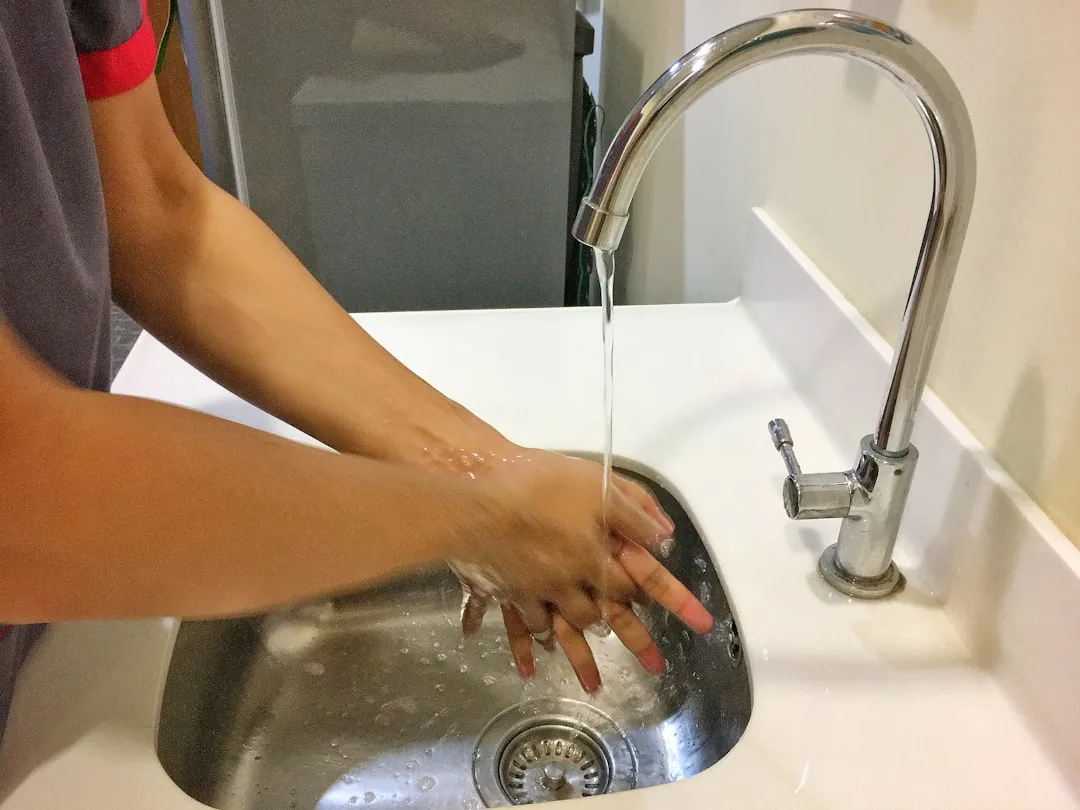
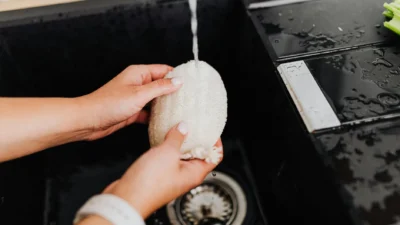
Photo by Kristine Wook on Unsplash
A Long-Handled Drain Brush: This is your MVP. Its flexible, bristled head can scrub the interior walls of the drain pipe and P-trap, physically removing biofilm where sprays and powders can’t reach.
A Small Bottle Brush or Old Toothbrush: Essential for scrubbing the overflow holes and the intricate parts of the sink strainer basket. An old toothbrush you’ve retired from dental duty is perfect for this.
Baking Soda & White Vinegar OR an Enzyme Cleaner: The classic baking soda and vinegar combo fizzes and helps loosen grime (though its cleaning power is more mechanical than chemical). For a more targeted biological clean, consider a enzyme-based drain cleaner. These use natural bacteria to digest the organic matter causing the smell.
Hot Water & Dish Soap: Simple, but crucial. Hot water helps melt and flush away grease, while dish soap cuts through oily residues. This is your final rinse after any scrubbing session.
The 10-Minute Weekly Reset Habit
Armed with your toolkit, transform your approach from reactive scrubbing to proactive maintenance. This simple weekly routine targets all the culprits and prevents odors from taking hold. The goal is consistency, not perfection.
- Clear the Debris: Remove the sink strainer or stopper. Scrub it with your bottle brush and dish soap, paying attention to the underside and the rim. Rinse thoroughly.
- Scrub the Drain: Insert your long-handled drain brush into the drain opening. Gently scrub several inches down, twisting to cover the pipe walls. Rinse the brush under hot water as needed.
- Clean the Disposal (if applicable): With the disposal OFF, use your old toothbrush to scrub under the rubber flaps and around the rim. For a freshening boost, toss in a few ice cubes and a handful of citrus peels, then run the disposal with cold water.
- Tackle the Overflow Holes: Dip your bottle brush in soapy water and insert it into each overflow hole, scrubbing in and out. Follow by pouring a cup of hot water down each hole to rinse.
- The Final Flush: Pour a kettle of very hot (not boiling) water down the drain to melt and flush away loosened grease. For an extra-deodorizing step, sprinkle ½ cup of baking soda down the drain, followed by ½ cup of vinegar. Let it fizz for 5-10 minutes, then flush with more hot water.
Daily Micro-Habit: After each use, especially after dealing with greasy pans, run the hot water for 15-20 seconds. This simple act helps prevent grease from solidifying in your pipes, addressing a major kitchen sink odor cleaning mistake before it starts.
When to Suspect a Deeper Problem
If you’ve established a good routine but a foul odor suddenly returns or intensifies, the issue might be mechanical. Your sink drain odor solutions may need a professional’s touch in these cases.
A Dry P-Trap: If a sink in a guest bathroom or laundry room isn’t used often, the water in the P-trap can evaporate, allowing sewer gases to enter. Simply running water for a minute should refill it and seal the smell.
Clogged Vent Pipe: Your home’s plumbing has vent pipes that regulate air pressure. If one is blocked (by a bird’s nest or debris), it can cause slow drainage and gurgling sounds, which may pull water from the P-trap and let odors in. This requires a plumber.
Cracked or Leaking Drain Line: A persistent, sewage-like smell, especially if accompanied by moisture under the sink, could indicate a cracked pipe. This is a definite call-to-the-pros situation.
In short, if the smell is pervasive, linked to multiple drains, or accompanied by slow drainage or leaks, your best sink drain odor solution is to consult a licensed plumber to diagnose the issue safely.
Fresh Sinks Are Made, Not Born
Conquering that lingering odor isn’t about finding a magic product or doing a heroic, hours-long deep clean. It’s about understanding the hidden world where smells live and adopting a few simple, consistent habits. By shifting your focus from the visible basin to the unseen drain, disposal, and overflow holes, you move from frustration to control.
With your basic toolkit and a quick 10-minute weekly reset, you can stop wondering why your sink still stinks and start enjoying a reliably fresh kitchen. Make it a routine, and the smell will become a distant memory.