Every time you go to wipe down your kitchen counter, you face a small but persistent choice: grab a disposable paper towel or reach for a reusable microfiber cloth. It feels like a simple decision, but it’s one that touches on effectiveness, hygiene, cost, and even environmental impact. Getting it wrong can mean a streaky surface, wasted money, or worse—spreading germs around your food prep area. This isn’t just about cleaning; it’s about choosing the right tool for the job to create a kitchen that is both spotless and safe. Let’s cut through the clutter and break down the real pros and cons of microfiber vs paper towels for kitchen cleaning, so you can wipe with confidence.
The best way to choose between microfiber and paper towels for kitchen counters depends on the task. Use microfiber cloths for daily dusting, polishing, and cleaning up dry or lightly damp spills—they’re reusable and highly effective at trapping dirt. Reach for paper towels for sanitizing after handling raw meat, cleaning up greasy or sticky messes, and applying disinfectants, as they can be disposed of immediately to prevent cross-contamination.
The Core Trade-Off: Reusability vs. Disposability
At its heart, the choice between microfiber and paper towels for kitchen cleaning comes down to a single, fundamental question: is reusability or disposability more important for this specific task? Understanding this trade-off is key to using both tools effectively and safely.
Microfiber cloths are designed for the long haul. You buy them once, wash them, and use them hundreds of times. This makes them incredibly cost-effective over time and generates far less waste than constantly buying paper towel rolls. Their reusability is a major sustainability advantage for routine cleaning. However, reusability introduces a hygiene variable: the cloth itself must be cleaned properly to avoid becoming a source of contamination.
Paper towels, in contrast, are the champions of controlled disposability. Their entire value lies in being used once and thrown away. This is not a flaw but a critical safety feature for certain kitchen jobs. As noted by food safety guidelines, like those from the USDA, preventing cross-contamination is paramount. When you’re dealing with pathogens from raw meat or applying strong disinfectants, the ability to immediately dispose of the cleaning tool is a non-negotiable advantage. The core of microfiber vs paper towels kitchen cleaning isn’t about which is universally “better,” but which property—reusability or disposability—serves your immediate goal.
Head-to-Head: When Microfiber Shines (and When It Doesn’t)
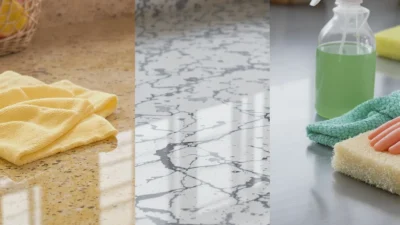
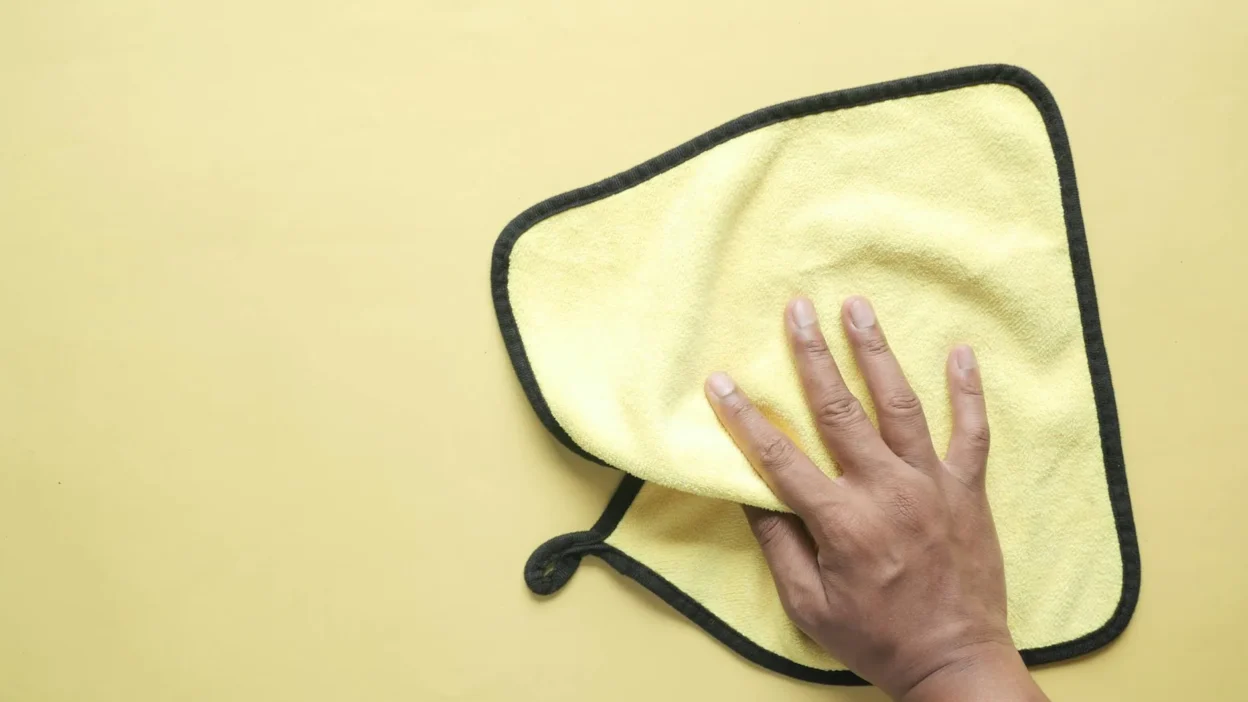
Microfiber cloths are exceptional for daily maintenance and light cleaning. Their magic lies in their construction: millions of tiny split fibers create a massive surface area that generates static electricity, literally grabbing and trapping dust, crumbs, and bacteria instead of just pushing them around. This makes them the best cloth for kitchen counters for tasks like wiping away dry spills, dusting, and giving surfaces a streak-free polish with just water.
For effective wiping kitchen counters properly after meal prep—think flour, coffee grounds, or light water splashes—a damp microfiber cloth is often all you need. Its limitations, however, are just as important. Microfiber struggles with grease, often just smearing it. It’s also a poor choice for sanitizing with bleach-based cleaners, which can break down the fibers, and a dangerous choice for cleaning up raw meat juices, as laundering may not instantly kill all pathogens, risking cross-contamination.
| Attribute | Microfiber Cloths | Paper Towels |
|---|---|---|
| Best For | Dry dusting, polishing, light damp cleaning, daily wipe-downs | Greasy/oily messes, sanitizing with chemicals, raw meat spills, sticky substances |
| Hygiene/Safety | Requires hot-water laundering between uses; risk of cross-contamination if misused | Single-use disposability eliminates cross-contamination risk for high-risk tasks |
| Cost Over Time | Higher upfront, very low cost-per-use | Low upfront, recurring cost that adds up |
| Environmental Impact | Lower waste footprint, but requires water/energy to wash | Higher waste footprint, but no washing resources |
| Key Limitation | Poor with grease; requires proper laundry routine | Not reusable; can leave lint on some surfaces |
The Paper Towel Advantage: Clarity in Key Scenarios
There are specific situations where reaching for a paper towel is the unequivocally correct choice. Its disposability is its superpower for managing messes you don’t want anywhere near your reusable linens.
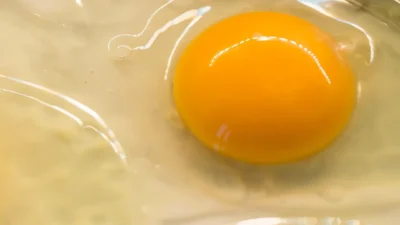
The first and most critical scenario is sanitizing countertops after handling raw meat, poultry, eggs, or seafood. Use a paper towel with a kitchen-safe disinfectant, wipe the area, and immediately throw the towel away. This contained, one-and-done process is the gold standard for preventing the spread of bacteria like Salmonella. Secondly, paper towels are unmatched for greasy or sticky spills. Trying to clean bacon grease or spilled honey with a microfiber cloth will ruin it, smearing the mess and making the cloth nearly impossible to clean fully. A paper towel soaks it up and goes straight into the trash.
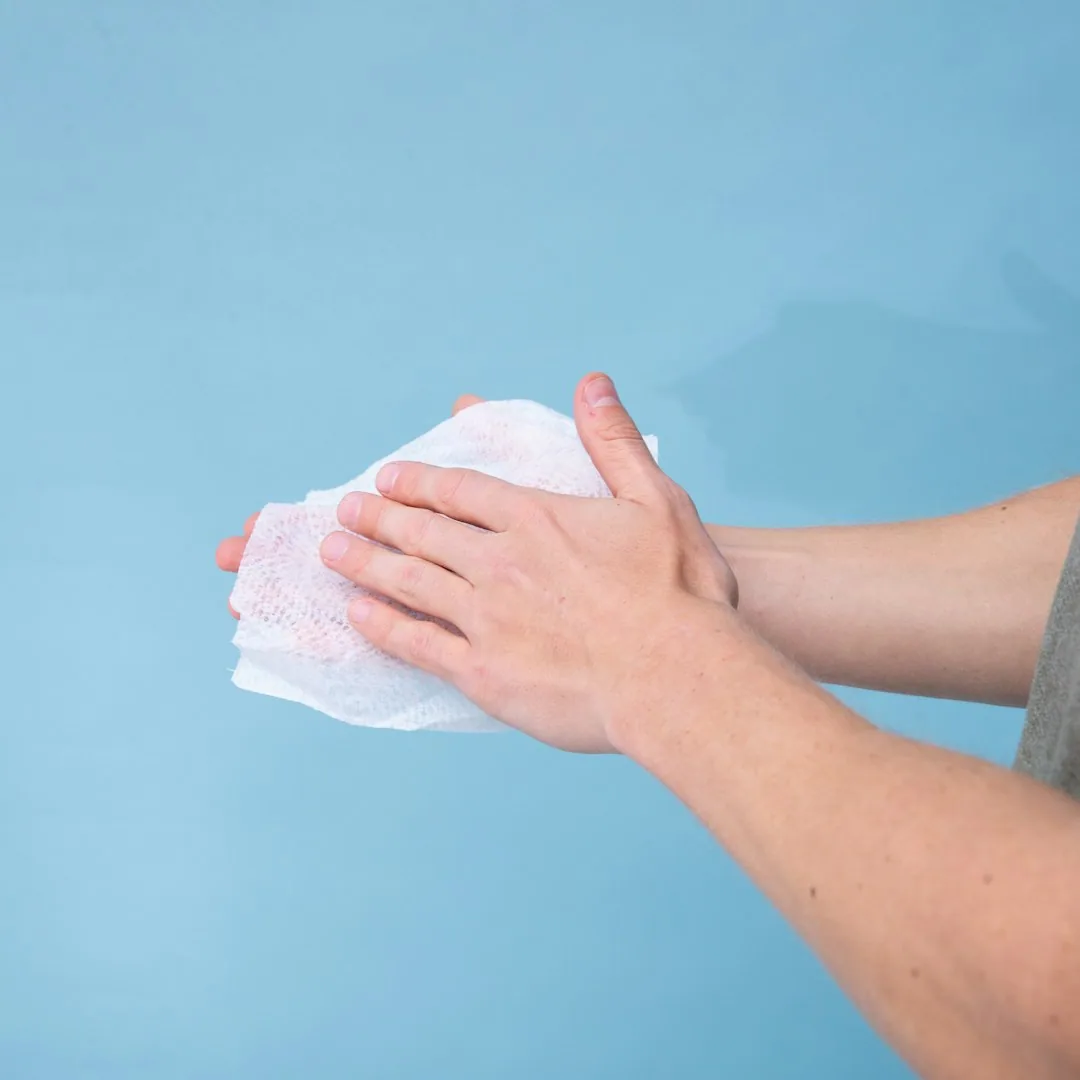
Photo by Austin Piwinski on Unsplash
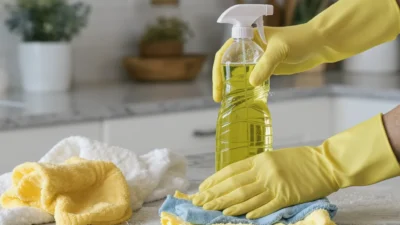
Finally, when you’re using a bleach-based cleaner or another strong disinfectant that shouldn’t be mixed with other chemicals in your laundry, a paper towel is the safe applicator. It ensures the chemical does its job and is disposed of without contaminating your counter cleaning cloth stash. In these key scenarios, the paper towel’s disposability isn’t wasteful—it’s strategically hygienic.
Your Decision Guide: Matching the Tool to the Task
Instead of guessing, use this simple decision framework the next time you face a mess. Ask yourself these quick questions to choose the right tool instantly.
Is the spill greasy, oily, or super sticky (like honey or syrup)?
If YES, use a paper towel. Microfiber will smear grease and cling to sticky residues, ruining the cloth.
Are you cleaning up after raw meat, poultry, eggs, or fish?
If YES, use a paper towel with a disinfectant. Disposability is critical to prevent pathogen spread.
Are you applying a disinfectant or bleach-based cleaner?
If YES, use a paper towel. It ensures proper chemical use and safe disposal.
If you answered NO to all of the above: Grab your microfiber cloth. It’s perfect for drying dishes, wiping away dry crumbs, cleaning up light water spills, and giving counters a final polish.
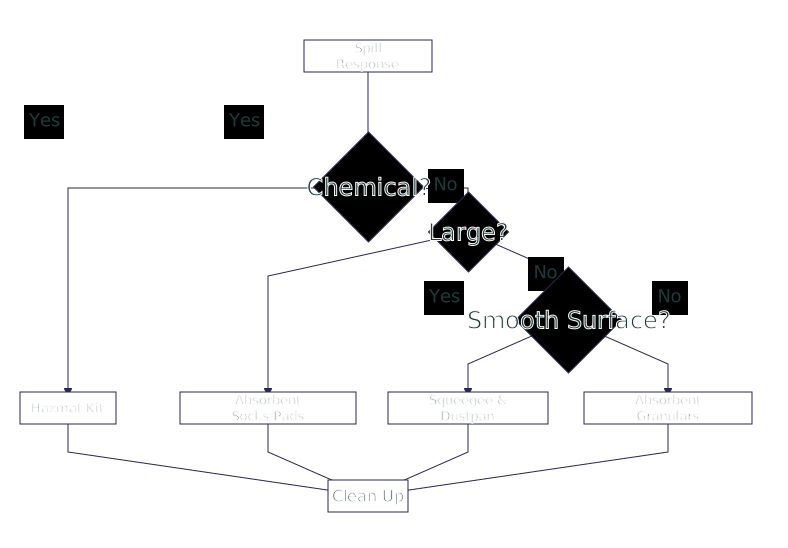
In short: keep both tools within reach. Designate paper towels for “biohazard” and grease duty, and use microfiber as your go-to for everything else. This hybrid approach is the most efficient, effective, and sensible way to manage cleaning kitchen surfaces.
The Smart Kitchen’s Hybrid Approach
The debate isn’t about picking one winner. The most effective kitchen uses both microfiber and paper towels as specialized tools. By matching the tool to the task—paper for germs and grease, microfiber for daily dust and polish—you create a system that is hygienic, cost-conscious, and less wasteful.
Your next step is simple: implement the decision guide today. Keep a roll of paper towels and a stack of clean microfiber cloths in an easy-to-reach spot. The next time you clean, pause for two seconds to assess the mess. This tiny habit will transform your wiping kitchen counters properly routine, leaving you with a cleaner, safer kitchen with far less effort and guesswork.