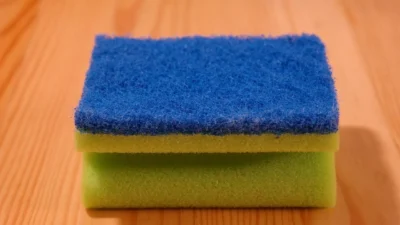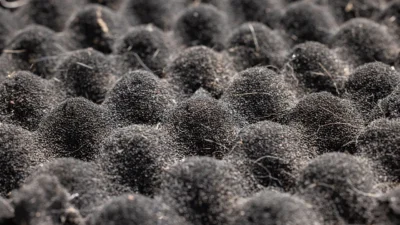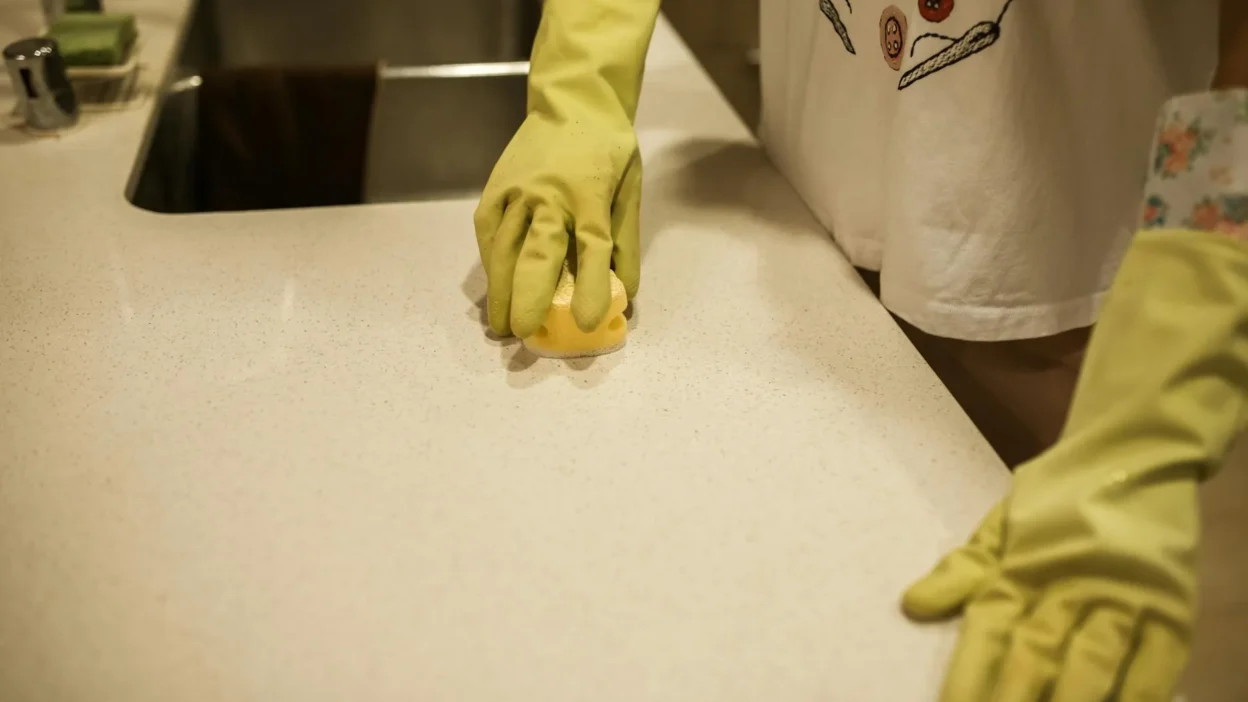
You rinse your sponge after wiping the counter. You toss your microfiber cloth in with the regular laundry. Your scrub brush air-dries in its holder. If your tools look clean and don’t smell, they’re fine to use, right? This is the most pervasive myth in home cleaning, and it’s the very mistake that undermines your entire effort. The reality is that bacteria and mold thrive in the damp, porous environments of our most trusted tools, creating invisible colonies long before any visible grime appears. This guide will dismantle that foundational assumption and other common sponge and cloth cleaning mistakes, revealing how improper maintenance can turn your cleaning aids into the primary source of contamination in your kitchen and bathroom. By understanding these errors, you can break the cycle of recontamination and achieve a level of home hygiene that matches your intent.
The biggest sponge and cloth cleaning mistake is equating a lack of visible grime with cleanliness. To keep your tools hygienic, you must regularly sanitize them with heat or disinfectant, ensure they dry completely between uses, and replace sponges frequently, as they harbor bacteria long before they look dirty. Proper maintenance is not just about rinsing; it’s a deliberate process tailored to each tool’s material to prevent the spread of germs rather than facilitate it.
Myth: A Quick Rinse is Enough to Clean Your Sponge
This is perhaps the most pervasive and problematic belief in cleaning tool hygiene. After wiping down a counter or washing dishes, giving your sponge a squeeze under the tap feels like the right thing to do. It rinses away visible food particles and suds, so it must be clean, right? Unfortunately, this is a classic dish sponge sanitation blunder. Rinsing only addresses the surface.
The real issue lies within the sponge’s structure. Its porous, absorbent material is designed to trap moisture and debris—a perfect breeding ground for bacteria, mold, and yeast. These microorganisms don’t just sit on the surface; they form a slimy, resilient layer called a biofilm deep within the sponge’s cavities. A quick stream of water cannot penetrate and disrupt this biofilm. A study by the NSF International has consistently found kitchen sponges to be among the most germ-laden items in the home, often harboring E. coli and Salmonella.
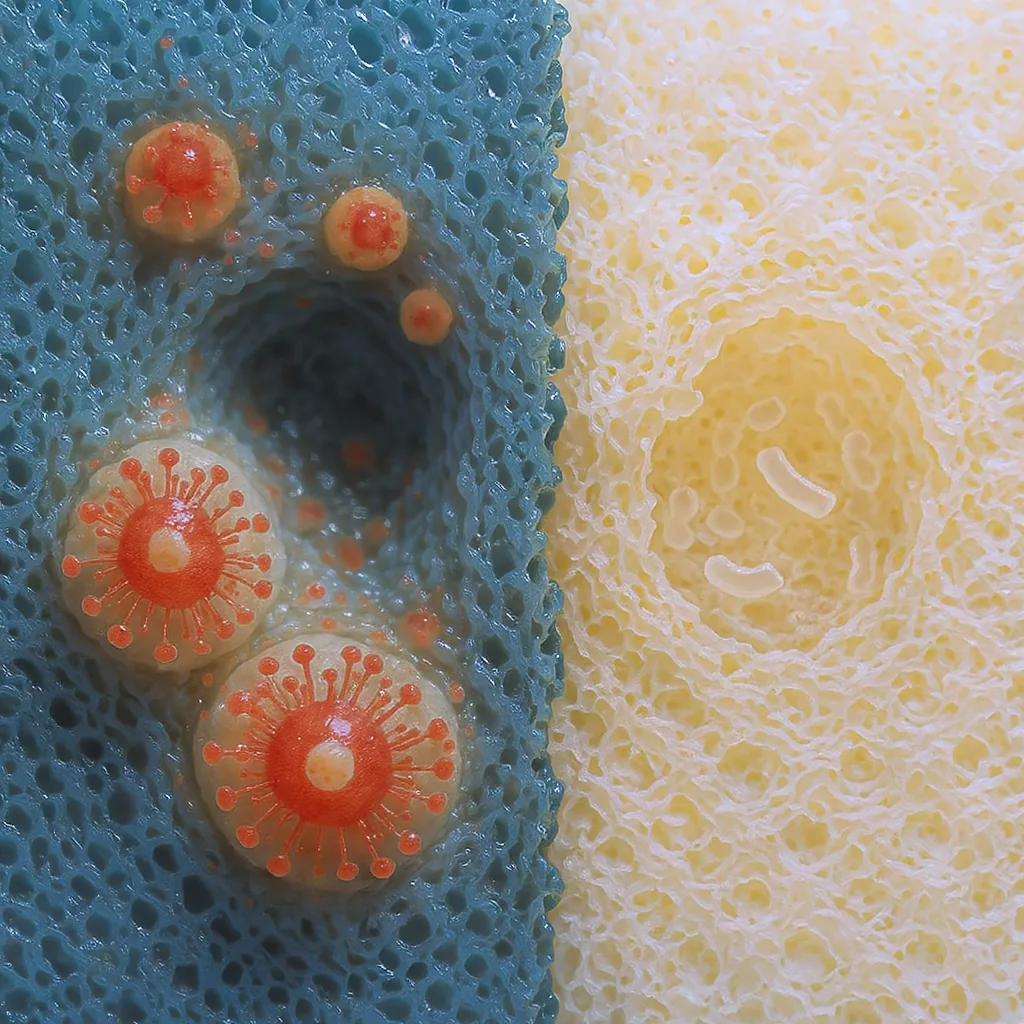
Therefore, if your sponge maintenance begins and ends with a rinse, you are likely just redistributing germs with every subsequent use. The sponge may look and smell acceptable for a surprisingly long time, but it is functionally dirty. This cycle of recontamination is a core kitchen sponge contamination error that undermines your entire cleaning effort.
The Microfiber Trap: Why Your Cloths Aren’t as Clean as You Think
Microfiber cloths are lauded for their superior cleaning power, trapping dust and grease with static electricity. Yet, their specialized construction demands specific care, and mistakes here lead directly to dirty microfiber cloths that smear more than they clean. Imagine wiping your kitchen counter with a cloth that appears clean, only to leave a faint, greasy film behind. This common frustration is usually a sign of improper laundering.
The primary culprits are fabric softener and dryer sheets. These products work by coating fibers with a waxy or oily substance to reduce static. On microfiber, this coating clogs the tiny fibers, destroying their electrostatic charge and absorbency. The cloth becomes less effective and can start repelling water instead of absorbing it.
Another frequent error is washing microfiber with lint-producing fabrics like cotton towels or fleece. Lint particles cling to the microfiber, rendering it useless for dusting or cleaning glass, as it will just leave behind a trail of fuzz.
How to Keep Your Microfiber Truly Effective
- Wash Alone: Always wash microfiber cloths in their own load, separate from other laundry.
- Skip the Softener: Never use liquid fabric softener, dryer sheets, or bleach. Use a small amount of detergent.
- Use Hot Water: Wash in hot water (around 130°F/55°C) to effectively cut through and remove oils and grease trapped in the fibers.
- Air Dry or Tumble Dry Low: High heat can melt the microfibers. Air drying is best, or use a no-heat or low-heat dryer cycle.
Brush Neglect: From Toilet Brushes to Scrub Brushes
While sponges and cloths get most of the attention, cleaning brush maintenance mistakes are equally consequential. Brushes for dishes, toilets, grout, and general scrubbing are often treated as “set-and-forget” tools, leading to hidden grime and cross-contamination.
Don’t: Leave a brush soaking in a dirty solution or stored wet in a closed, dark holder. This creates a perpetually damp environment ideal for bacterial and mold growth.
Do: After use, rinse the brush thoroughly under hot water to remove debris. Then, shake out excess water and store it upright in a well-ventilated holder where air can circulate, allowing it to dry completely between uses.
Don’t: Focus only on cleaning the bristles. The handle is a major contamination point, frequently touched by dirty hands before, during, and after cleaning.
Do: Make disinfecting the handle part of your routine. After sanitizing the brush head, wipe down the handle with a disinfectant cloth or spray.
Don’t: Use the same brush for everything. A toilet brush should never be used anywhere else, and a brush used with harsh chemicals (like bleach for grout) may degrade if used later with certain other cleaners.
Do: Designate brushes for specific tasks and areas. Color-coding can help prevent mix-ups. For heavily soiled or chemical-based jobs, consider using disposable brush heads or dedicated tools.
The Sanitization Showdown: What Actually Works (And What Doesn’t)
Knowing that rinsing isn’t enough, many people turn to home sanitization methods. However, not all methods are equally effective, and some popular choices are based on misconceptions. Let’s bust a few myths and clarify the best practices.
Myth: Microwaving a wet sponge for 1-2 minutes makes it sterile.
Fact: The microwave can be a highly effective tool for killing bacteria if done correctly and safely. The key is ensuring the sponge is thoroughly wet (to prevent fire) and microwaved on high for at least 1-2 minutes. Studies show this can kill over 99% of common bacteria. However, this method is only for sponges without metallic scouring pads and should be followed by complete cooling and drying.
Myth: Soaking in vinegar is a powerful disinfectant.
Fact: Vinegar (acetic acid) is a great de-greaser and deodorizer, but it is not a reliable EPA-registered disinfectant against most pathogens. While it can kill some germs, its effectiveness is limited and slower compared to other methods. Relying solely on vinegar for sanitization is a common oversight.
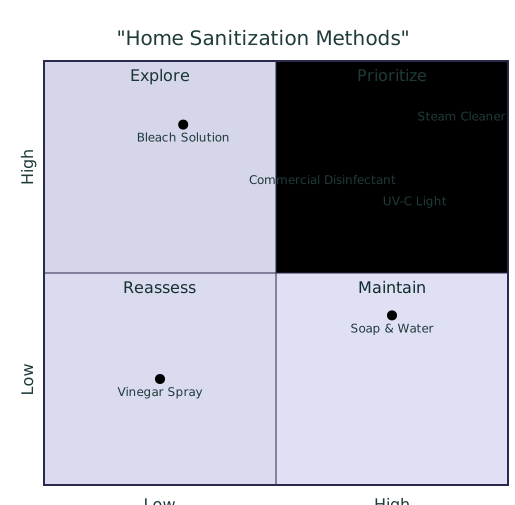
Your At-Home Sanitization Guide
- For Sponges: The most reliable methods are the microwave (if microwave-safe) or running it through the dishwasher on a hot dry cycle. Both use sustained, moist heat to kill microbes.
- For Cloths & Brushes: Soak for 5-10 minutes in a solution of 1 tablespoon of bleach per gallon of cool water. Rinse thoroughly afterward. For non-bleach options, a dishwasher cycle (top rack for cloths) or boiling for 5 minutes (for heat-tolerant tools) are effective.
- The Golden Rule: No sanitization method works if the tool remains damp. Complete, airy drying is the final, non-negotiable step to prevent immediate re-growth.
Your Action Plan: Building Better Cleaning Tool Habits
Armed with the facts, the goal is to replace those ingrained mistakes with simple, sustainable habits. This isn’t about creating a sterile laboratory in your kitchen, but about breaking the cycle of recontamination. Here’s a consolidated plan for daily, weekly, and monthly care.
Daily & After Each Use
- Rinse & Wring: For sponges and cloths, rinse thoroughly under hot water and wring out as much moisture as possible.
- Air It Out: Place your sponge in a ventilated holder (not on the sink ledge) and hang cloths to dry. Store brushes upright.
Every Few Days to Weekly
- Sanitize: Choose one effective method—microwave, dishwasher, or bleach soak—and sanitize your sponges and kitchen cloths. Disinfect brush handles.
- Launder Microfiber: Wash dirty microfiber cloths in a hot water cycle, without softener, and let them dry completely.
Monthly & Replacement
- Inspect & Replace: Sponges have a short lifespan. Replace them every 2-4 weeks, or immediately if they develop a permanent odor, become slimy, or fall apart. For cloths and brushes, replace them when fibers are worn or they no longer come clean after washing.
- Deep Clean Holders: Wash the caddy or holder where you store your brushes and sponges with hot, soapy water.
By integrating these steps, you move from unknowingly spreading germs to confidently maintaining tools that actually support a clean home.
Cleaning Smarter, Not Harder
The path to a more hygienic home isn’t about scrubbing more vigorously; it’s about maintaining the tools that do the scrubbing. By recognizing that a quick rinse is insufficient, that microfiber has specific needs, and that brushes require mindful care, you break free from the cycle of simply moving dirt and germs around.
Implementing even one or two of the correct practices—like ensuring complete drying or adopting a weekly sanitization routine—will make a significant difference. Your goal isn’t a sterile, clinical environment, but a genuinely cleaner, safer, and more effective cleaning practice. With these small, informed changes, your efforts will finally yield the results you intend.
To correct common sponge and cloth cleaning mistakes, focus on these key shifts in your routine:
- Sanitize, Don’t Just Rinse: Use heat (microwave/dishwasher) or a diluted bleach solution to kill bacteria embedded in sponges and cloths, as rinsing only removes surface debris.
- Care for Microfiber Specifically: Wash cloths in hot water without fabric softener and apart from other laundry to maintain their grease-grabbing effectiveness.
- Prioritize Complete Drying: This is the most critical habit. Always store tools where air can circulate to dry them thoroughly, as moisture is the primary driver of bacterial growth.
- Replace Tools Regularly: Sponges should be replaced every few weeks, and cloths or brushes when they are worn or retain odors after washing, as material breakdown harbors more germs.
Adopting these practices ensures your cleaning tools are part of the solution, not the source of the problem.