You’re standing there, spray bottle in hand, staring at the soap scum and water spots on your shower wall. You want to scrub it clean, but a sudden, nagging doubt stops you: What if this cleaner ruins the finish? That hesitation is smart. The single most important rule for cleaning a shower isn’t about elbow grease; it’s about matching your method to your material. Using the wrong cleaner or tool on fiberglass, acrylic, or natural stone can cause permanent clouding, scratches, or etching. This guide cuts through the confusion by framing your approach along two clear paths: a gentle, regular maintenance protocol for delicate surfaces, and a more targeted deep-clean strategy for durable tile and grout. Your first and most critical step is simply to identify what your walls are made of.
The best way to clean shower walls is to first identify your material—ceramic tile, fiberglass, acrylic, or natural stone—and then choose a method that matches its durability. For most surfaces, a gentle, regular clean with a pH-neutral cleaner is safest, while tougher grime on durable tile may need a targeted deep clean with specific solutions. Avoid abrasive tools and harsh acids on delicate surfaces to prevent permanent damage.
Identify Your Shower Wall Material First
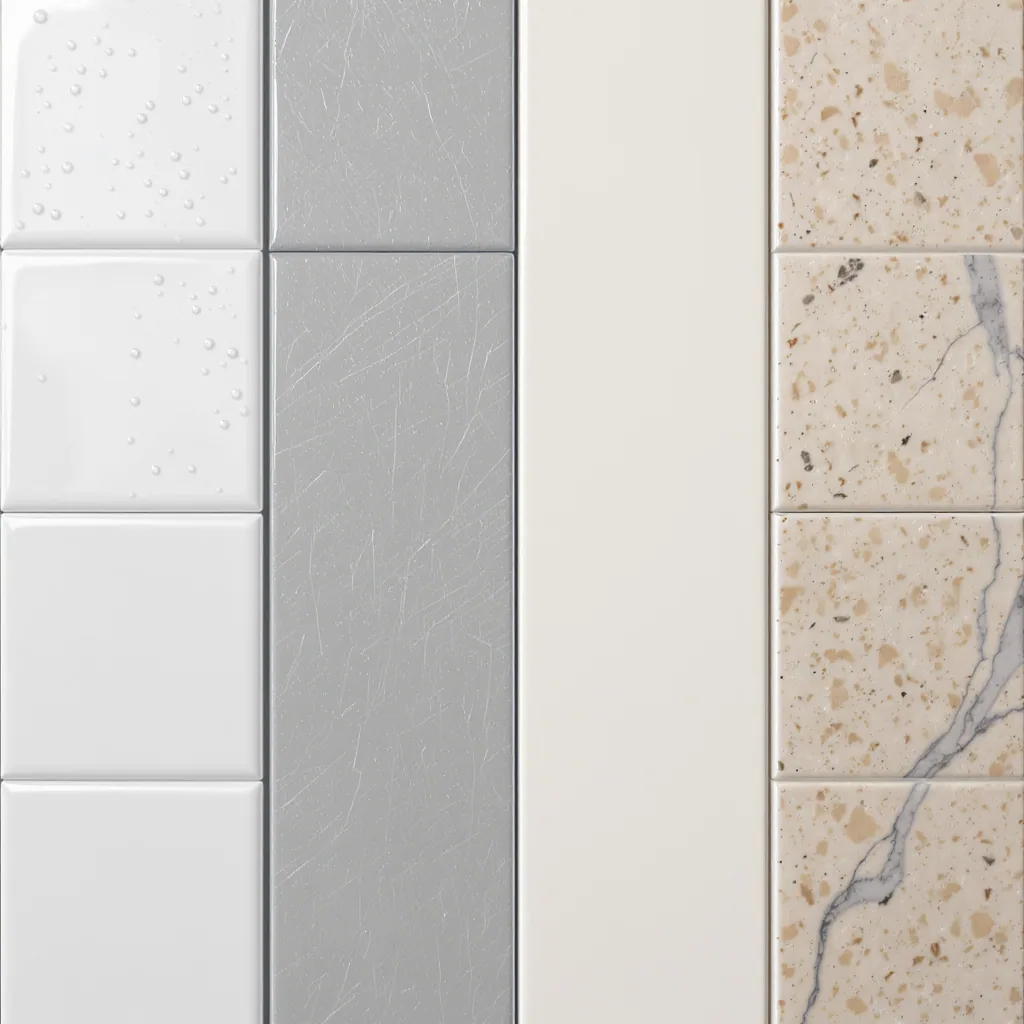
Before you grab a scrub brush, you need to know what you’re cleaning. Using the wrong method is the fastest way to dull, scratch, or permanently damage your shower walls. Here’s a quick guide to identifying the most common materials:
Ceramic or Porcelain Tile: This is the classic choice. You’ll see individual square or rectangular pieces (tiles) separated by grout lines. The surface is hard, cool to the touch, and often glossy. It’s highly durable and can handle stronger cleaners, but the grout is porous and prone to staining.
Fiberglass: These walls are one seamless, molded piece, often with a slightly textured or pebbled finish. They feel lighter and can flex slightly if you press on them. Fiberglass shower wall cleaning requires a gentle touch to avoid scratching the gel-coat finish.
Acrylic: Similar to fiberglass in being a seamless, molded unit, but typically has a smoother, glossier finish that feels warmer to the touch. It’s also lightweight and can be scratched easily. Treat it with the same care as fiberglass.
Natural Stone (Marble, Travertine, Slate): This is a premium, porous material. You’ll see unique veining and natural color variations. The surface may be polished (smooth and shiny) or honed (matte). It is extremely sensitive to acidic cleaners, which can etch the surface, leaving dull spots.
If you have a solid surface material like Corian, always check the manufacturer’s care guide for the most accurate instructions. Once you’ve identified your material, you can choose the right cleaning path.
The Gentle Path: Safe Maintenance for Delicate Surfaces
For materials like fiberglass, acrylic, and natural stone, your goal is effective cleaning without aggression. This path prioritizes preservation over power, using gentle cleaners and soft tools to maintain the surface’s integrity.
Your Gentle Cleaning Protocol
Start with a simple, pH-neutral cleaner. A few drops of mild dish soap in warm water is a perfect, safe starting point. Commercial “tub and tile” cleaners labeled safe for acrylic or fiberglass are also excellent choices. Spray the solution onto the walls and let it sit for a few minutes to loosen soap scum.
For wiping, use only soft tools: a microfiber cloth, a soft sponge, or a dedicated soft-bristled brush designed for delicate surfaces. Work in small sections, using a light, circular motion. Never use steel wool, abrasive scrub pads, or harsh scouring powders, as they will create fine scratches that trap dirt and make the shower look perpetually cloudy.
Rinsing is crucial. Thoroughly rinse the walls with clean water to remove all cleaner residue. A final pass with a squeegee after every shower is the single best habit to prevent hard water spots and soap scum buildup, making your deep cleans much easier.
What to Absolutely Avoid
On delicate surfaces, avoid acidic cleaners like vinegar, lemon juice, or products containing hydrochloric acid (like some lime scale removers). These can permanently etch and dull the finish of acrylic, fiberglass, and especially natural stone. Also, steer clear of abrasive cleaners like baking soda in a paste form unless the manufacturer explicitly states it’s safe; the grit can be too harsh.
The Deep-Clean Path: Tackling Tough Grime on Durable Tile
Ceramic and porcelain tile are workhorses. They can withstand stronger cleaners and more mechanical action, which is good because their enemy—grout—needs it. This path is for when gentle maintenance isn’t enough to tackle built-up mildew, hard water stains, or deeply discolored grout.
Your Deep-Cleaning Protocol
For general tile shower wall cleaning, a dedicated bathroom cleaner with bleach or oxygen bleach (like OxiClean) can be very effective on mold and mildew. Spray it on, focusing on grout lines, and allow it to dwell for 10-15 minutes as directed.
The real work happens with the right tool: a stiff grout brush or an old toothbrush. Scrub the grout lines vigorously with the cleaner. For the tile itself, a non-scratch scrub pad or a melamine sponge (like a Magic Eraser) can lift stubborn soap scum without damaging the glazed surface. Always test in an inconspicuous area first.
For a natural deep-clean option on tile only, you can use a paste of baking soda and water or a diluted vinegar spray (1 part vinegar to 1 part water). Apply the paste or spray, let it sit, then scrub. Critical warning: Never use vinegar or acidic cleaners on natural stone, marble, or limestone, as it will cause chemical etching.
Prevention for the Future
After a deep clean, seal your grout with a penetrating grout sealer. This creates a protective barrier that repels water and stains, making your next tile shower wall cleaning session far simpler. Reapply the sealer as recommended, usually once a year.
Your Material-Specific Cleaning Cheat Sheet
This table is your quick-reference guide to the best way to clean shower walls by material type. Use it to match your surface with the right cleaners and tools at a glance.
Photo by Mirza Polat on Unsplash
| Material | Best Cleaners | Safe Tools | Avoid These | Cleaning Frequency |
|---|---|---|---|---|
| Ceramic/Porcelain Tile | Oxygen bleach solutions, dedicated grout cleaners, diluted vinegar (tile only), pH-neutral cleaners. | Grout brush, non-scratch scrub pad, microfiber cloth, squeegee. | Acidic cleaners on natural stone tile, wire brushes on glaze. | Weekly wipe-down; deep clean/grout focus every 1-2 months. |
| Fiberglass | Mild dish soap & water, non-abrasive tub & tile cleaners labeled for fiberglass. | Microfiber cloth, soft sponge, soft-bristle brush. | Abrasive pads, scouring powders, acidic cleaners (vinegar, CLR). | Weekly gentle clean; squeegee after each use. |
| Acrylic | Same as fiberglass: mild dish soap, approved acrylic cleaners. | Microfiber cloth, soft sponge. | All abrasives, acetone, strong solvents. | Weekly gentle clean; squeegee after each use. |
| Natural Stone | Stone-specific pH-neutral cleaners only. | Soft cloth, very soft brush. | ALL acidic cleaners (vinegar, lemon, most bathroom cleaners), abrasive tools. | Weekly clean with stone cleaner; re-seal as per installer advice. |
Clean Smarter, Not Harder
The right cleaning method does more than just remove grime; it protects your investment and makes the entire chore easier and faster over time. By matching your technique to your material, you avoid the frustration of causing damage while trying to clean it. This weekend, take two minutes to identify your material, gather the right supplies from this guide, and reclaim your shower with confidence.