You’re wiping down the kitchen counter, but that familiar sponge smell is back—a faint, musty odor that lingers no matter how well you rinse it. Or perhaps your once-fluffy microfiber cloth now just smears grease around the sink. It’s a universal household dilemma: when is a cleaning tool truly spent? Using worn-out supplies isn’t just ineffective; it can spread germs and make your chores harder. That’s why a proactive cleaning supply replacement checklist is a game-changer. This guide cuts through the guesswork, giving you a clear, actionable schedule for swapping out sponges, pads, and cloths. You’ll learn to spot the signs of wear before they become a problem, ensuring your cleaning is always hygienic and efficient, saving you money and frustration in the long run.
A cleaning supply replacement checklist helps you swap out sponges, pads, and cloths before they become ineffective or unhygienic. Base your schedule on the tool’s material, how often you use it, and clear signs like odors, fraying, or loss of absorbency. Following a proactive cleaning tool replacement schedule is ultimately cheaper and healthier than waiting for a sponge to fall apart or a cloth to start smearing dirt.
Your At-a-Glance Replacement Checklist
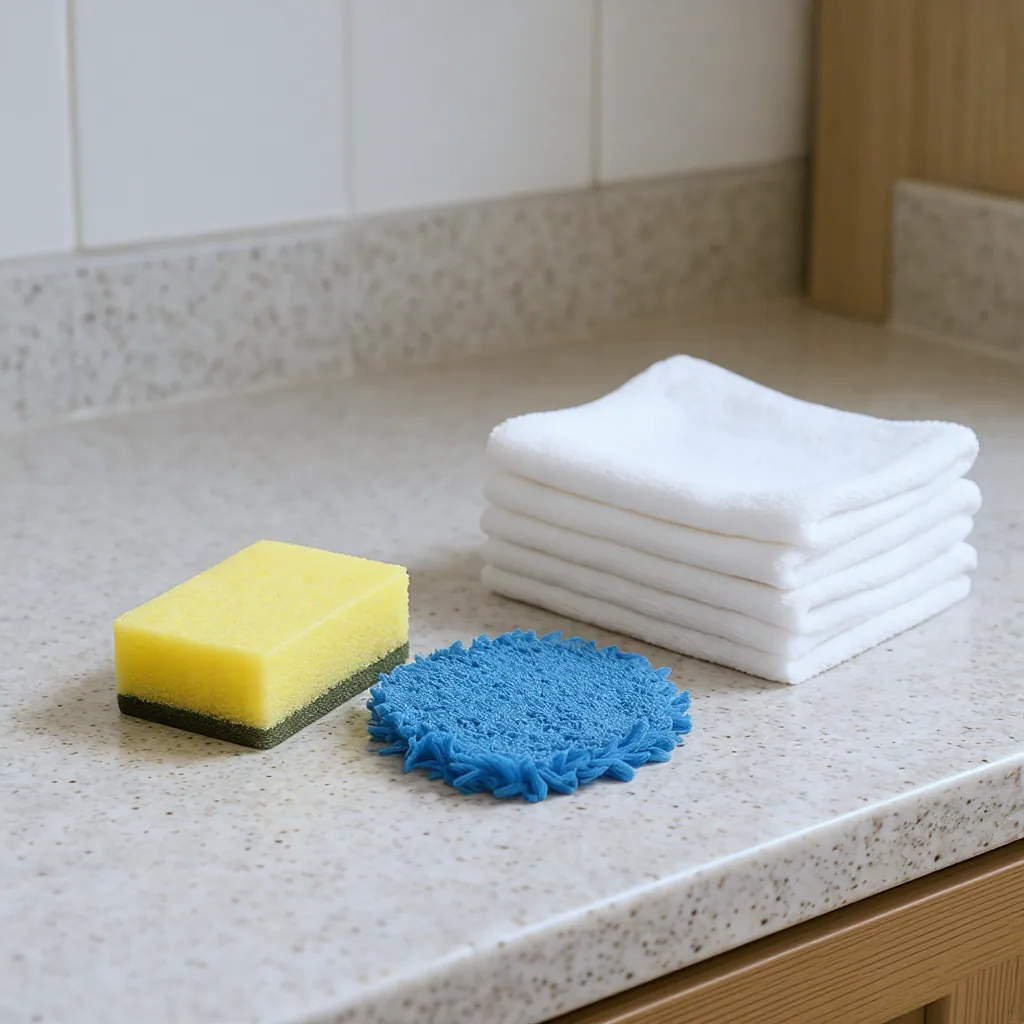
This is your core, no-nonsense guide. Use these triggers to know when it’s time to replace sponges and cloths. Time-based rules are a good baseline, but condition-based signs are the ultimate decider.
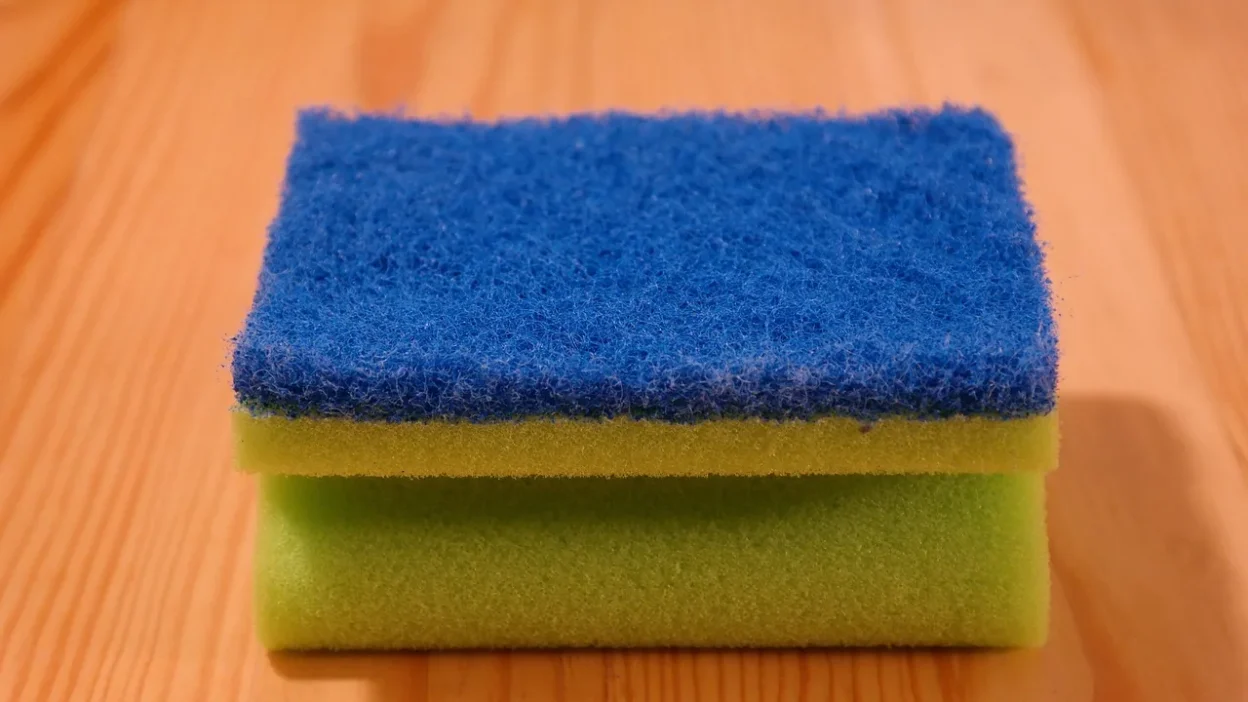
Kitchen Sponges (Cellulose or Polyurethane)
- Time: Every 1-2 weeks for daily use.
- Condition: Replace immediately if it develops a persistent sour or mildewy smell, even after cleaning. Also replace if it’s falling apart, feels slimy, or has lost its scrubbing power.
Scouring Pads (Steel Wool, Plastic Mesh)
- Time: Steel wool: Replace when rust appears (often 2-4 weeks). Plastic/mesh pads: Replace every 3-4 weeks.
- Condition: Replace if the abrasive surface is worn smooth, if metal pads are rusting or shedding, or if plastic fibers are breaking off.
Microfiber Cloths (General Cleaning)
- Time: Every 3-6 months with regular use and proper washing.
- Condition: Replace when the cloth no longer feels “grippy” on surfaces, leaves lint behind, or has visibly frayed edges. Loss of absorbency is a key sign.
Dishcloths & Terry Towels (Cotton)
- Time: Every 1-2 days for dishcloths (wash in hot water between uses). Replace the cloth itself every few months as fibers break down.
- Condition: Replace if stains are permanent, if the fabric feels thin or rough, or if it retains odors after washing.
Why This Schedule Matters: The Science of Wear
Photo by Ann H on Pexels
This isn’t just about being tidy. A proactive cleaning tool replacement schedule is a direct investment in your home’s hygiene and your own efficiency. Here’s what’s happening as these tools age.
Sponges and damp cloths are prime real estate for bacteria and mold. The porous structure and leftover food or moisture create an ideal breeding ground. While methods like microwaving or bleaching can reduce germs temporarily, they also accelerate the breakdown of the material, making it wear out faster. A worn-out sponge with deep tears harbors more bacteria than a fresh one.
For abrasive pads, the science is mechanical. As the scrubbing surface wears down, you have to press harder and scrub longer to achieve the same result, potentially damaging delicate surfaces. Microfiber works through static charge and tiny fibers that trap dust and grease. When those fibers break or get clogged with residue (even after washing), the cloth loses its magical grab and becomes a glorified dust-mover.
Following a guideline helps you swap tools before they become ineffective or counterproductive. It’s cheaper and more sanitary than waiting for the obvious, smelly failure. A study on kitchen hygiene published in Scientific Reports found a diverse bacterial community in used kitchen sponges, underscoring the importance of frequent replacement.
Scenario: Extending Life vs. Knowing When to Let Go
Real life is messy. Here’s how to apply the checklist to common dilemmas.
Scenario 1: Your kitchen sponge looks fine but has a faint smell. You microwave it, and the smell is gone… for a day. Decision: Replace it. The odor-causing bacteria are deep within the material. Repeated sanitizing is a stopgap on a sponge that’s reached the end of its hygienic lifespan. This is a classic sign it’s time for a new one.
Scenario 2: You have a microfiber cloth you’ve used for dusting, then later for wiping a bathroom sink. It washes up clean. Decision: You can keep it, but relegate it. Designate it as a “bathroom-only” or “heavy-duty” cloth. This preserves your more pristine cloths for kitchen and glass cleaning. If it starts to lose its effectiveness in its new role, then replace it.
Scenario 3: A scouring pad has a small rust spot but is otherwise intact. Decision: Toss it. Rust can stain surfaces and is a sign the pad is breaking down. The cleaning sponge replacement guide rule is clear: rust means immediate retirement.
Building Your Personalized Replacement Routine
The generic checklist is your foundation. Now, build a simple system that works for you. Your perfect cleaning cloth maintenance schedule considers your home size, cleaning frequency, and even your local water hardness.
Track It Simply: Don’t rely on memory. Set a monthly calendar reminder to “Check cleaning tools.” Or, use a bin system: when you open a new multi-pack of sponges or cloths, write the date on the package. When they’re gone, you know how long your supply lasted and can adjust.
Buy Smarter: If you find yourself replacing a certain item often (like kitchen sponges), buy them in bulk. It’s more cost-effective and ensures you always have a fresh one on hand, removing the temptation to overuse an old one.
Dispose Responsibly: Most cleaning cloths and sponges aren’t recyclable. Check if your local waste authority has specific instructions. As a rule, toss them in the trash. For a more sustainable approach, consider compostable cellulose sponges or repurposing very worn-out cloths as super-grimey rags for jobs like cleaning garden tools before their final disposal.
A Small Habit for a Cleaner, More Efficient Home
Sticking to a simple checklist for your cleaning tools isn’t about perfection or waste. It’s the opposite. It’s a practical habit that prevents waste—of your time, effort, and money spent on products that don’t work.
By replacing sponges, pads, and cloths on a schedule guided by both time and condition, you ensure your cleaning is actually effective. You’ll spend less time re-scrubbing, you’ll reduce the spread of germs, and you’ll avoid the frustration of a smelly sponge ruining your clean kitchen vibe.
Start with the checklist, adapt it to your life, and enjoy the quiet confidence of a truly well-maintained cleaning toolkit.