
You grab the same cloth you used to wipe down the kitchen counter, give it a quick rinse, and head to the bathroom to clean the sink. It seems efficient, but a nagging thought creeps in: is this really clean, or am I just spreading germs from one room to another? This daily cleaning dilemma pits the minimalist appeal of a one-cloth-for-all system against the organized, hygienic promise of color-coded cleaning cloths. The choice isn’t just about tidiness; it’s a practical decision that impacts your home’s hygiene, your cleaning routine’s efficiency, and your peace of mind. Understanding the core trade-off between simplicity and specificity is the first step to choosing the right system for your household, whether you’re a busy homeowner, a meticulous renter, or someone simply tired of the guesswork.
The best way to decide between color-coded cleaning cloths and a one-cloth-for-all system is to assess your household’s specific hygiene needs and cleaning habits. If you’re cleaning multiple zones with different contamination risks (like kitchens and bathrooms), a color-coded system prevents cross-contamination and is highly recommended. For quick, general dusting or cleaning a single, low-risk area, a single high-quality cloth can be sufficient and simpler to manage.
The Core Philosophy: Simplicity vs. Specificity
At its heart, the debate between color-coded cleaning cloths and a single cloth cleaning system is a choice between two core values: simplicity and specificity.
The one-cloth-for-all approach is the champion of minimalism. It’s about grabbing one trusted rag and moving through your space without a second thought. There’s no system to remember, no sorting, and no upfront investment. It appeals to those who value speed and a decluttered cleaning caddy above all else.
The color-coded system, however, is built on the principle of dedicated cleaning cloths for specific tasks. By assigning colors to zones (e.g., blue for glass, green for kitchen, yellow for bathroom), you create a visual barrier against cross-contamination. This method prioritizes hygiene and cleaning cloth organization, trading a bit of initial setup for long-term peace of mind and a more systematic routine.

Photo by MART PRODUCTION on Pexels
Key Decision Points: When Color-Coding Wins
While a single cloth can be tempting, a color-coded approach is objectively the safer and more effective choice in several common household scenarios. Use this checklist to see if your situation calls for a more organized system.
1. You Clean Multiple High-Risk Zones
If your home has distinct areas with different types of germs and grime—like a kitchen (food bacteria), bathroom (germs and chemicals), and a pet area—using one cloth for all is a direct path to spreading contaminants. A color system creates essential boundaries.
2. Health is a Top Priority
For households with young children, elderly members, individuals with allergies, or anyone with a compromised immune system, minimizing germ transfer is crucial. Color-coding is a simple, proactive step toward a healthier home. (Note: This is for general educational purposes regarding cleaning hygiene and is not a medical diagnosis or substitute for professional advice.)
3. You Want a “Set-and-Forget” Routine
If you share cleaning duties with family members or hire help, a color-coded system removes guesswork and ensures everyone follows the same hygienic protocol without constant supervision.
4. You Clean Professionally or For Others
For anyone cleaning client homes or shared spaces, demonstrating a clear system to prevent cross-contamination with cloths is a mark of professionalism and builds immediate trust.
Where a Single Cloth Can Work (And How to Do It Right)
For some people and in certain contexts, a one-cloth-for-all-surfaces approach can be perfectly adequate. The key is understanding its limitations and adhering to strict hygiene practices to mitigate risks.
Acceptable scenarios for a single cloth include:
- Quick, single-room cleaning: Dusting and wiping down surfaces in one room, like a living room or home office, during one session.
- Small, low-risk spaces: Studios or small apartments where you can easily clean the entire space start-to-finish without the cloth sitting damp for hours.
- Dedicated dry dusting: Using one cloth purely for picking up dry dust and debris from non-greasy surfaces.
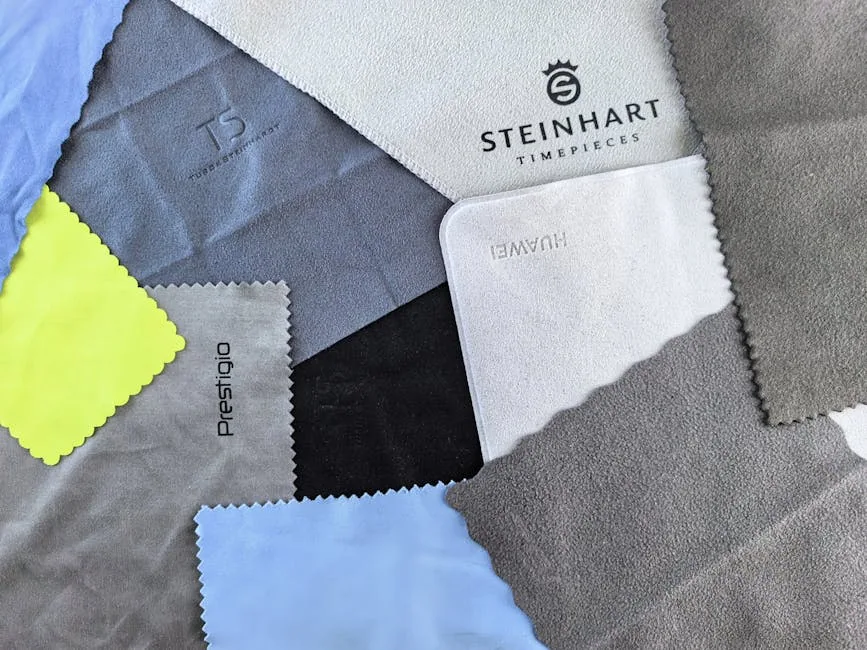
Photo by Andrey Matveev on Pexels
The Non-Negotiable Rules for a Single Cloth
If you choose this route, you must be disciplined. First, invest in high-quality, absorbent color-coded microfiber cloths (you can still buy them in a single color). More importantly, wash it immediately and thoroughly after each use. This means laundering in hot water (check the cloth’s care label) with a good detergent. Never use a damp, used cloth from a previous day’s cleaning. If you wipe up a major spill or a particularly germy surface, rinse the cloth thoroughly with hot water and disinfectant before moving to the next area.
Making Your Choice: A Practical Trade-Off Summary
Ultimately, the best system is the one that aligns with your household’s reality and that you will use consistently. Here’s a direct comparison of the trade-offs to help you decide.
Hygiene & Safety: Color-coding is the clear winner for preventing cross-contamination. A single cloth requires impeccable maintenance to be safe.
Ease of Implementation: The one-cloth system has zero setup. Color-coding requires an initial investment of time and money to buy and sort your cloths.
Cost & Upkeep: You need more cloths for a color system, which means a higher upfront cost and more laundry loads. A single cloth is cheaper upfront but may wear out faster due to frequent, harsh washing.
Mental Load: Color-coding removes decision fatigue—you always know which cloth to use. With a single cloth, you must constantly assess if it’s still “clean enough” to move to the next task, which can be mentally taxing.
Your choice in the color coded cleaning cloths vs one cloth debate isn’t about right or wrong, but about which set of trade-offs you’re willing to manage for the cleaning outcome you want.
Finding Your Cleaning Rhythm
The debate between a color-coded system and a single cloth isn’t about finding a universal “best” practice, but the best practice for you. It hinges on your home’s layout, your household’s health considerations, and your personal tolerance for routine versus spontaneity.
If your priority is maximizing hygiene and creating a foolproof system, the initial effort of implementing a cleaning cloth color system pays dividends in safety and peace of mind. If your life demands ultimate simplicity and you commit to rigorous cloth hygiene, a single, high-quality microfiber can suffice.
Remember, the most effective cleaning tool is the one that gets used correctly and consistently. Choose the method that fits your life, so you can maintain a clean home without it becoming a chore.