That feeling is all too familiar: you reach for a microfiber cloth, expecting its signature super-absorbent, streak-free clean, only to find it’s become a useless, scratchy rag that just smears dirt and leaves lint behind. If your once-trusty cleaning cloths are now pushing grime around instead of lifting it, you’re not alone—and the culprit is almost certainly a handful of common microfiber cloth care mistakes. The very qualities that make these cloths so effective—their split fibers and static charge—are incredibly fragile and can be ruined by standard laundry habits. This guide cuts through the frustration, diagnosing what went wrong with your cloths and providing the clear, corrective steps to wash and reuse them properly, restoring their performance and extending their lifespan dramatically.
The most common microfiber cloth care mistake is using fabric softener or dryer sheets, which coat the fibers and destroy their cleaning power. To fix this, wash them in hot water with a small amount of detergent, separately from linty items, and always air dry or use the lowest heat setting. Proper reusable cleaning cloth care is simple: avoid softeners, bleach, and high heat to keep your cloths absorbent and effective for years.
Diagnosing Your Microfiber Problem: What Went Wrong?
Before you can fix your cloths, you need to know what broke them. The symptoms are usually clear, and each one points directly to a specific washing microfiber cloths wrong habit. Let’s play detective.
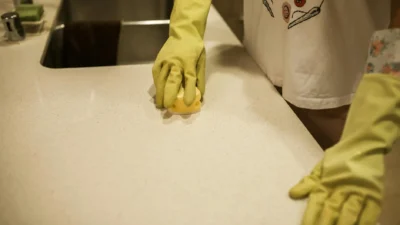
Photo by Ruan Richard Rodrigues on Unsplash
If your cloth is leaving streaks or smears…
This is the classic sign of fabric softener or dryer sheet residue. These products coat the microscopic fibers, preventing them from grabbing and holding onto dirt and moisture. Your cloth is essentially waxing your surfaces instead of cleaning them.
If your cloth feels scratchy or rough…
High heat is the likely culprit. The synthetic fibers in microfiber can melt or fuse together in a hot dryer, turning the soft, plush texture into a harsh, abrasive one. This not only feels bad but can scratch delicate surfaces like glasses or car paint.
If your cloth is less absorbent…
Again, fabric softener is a prime suspect. But it could also be using too much detergent, which doesn’t rinse out completely and leaves a film. This film blocks the tiny pockets in the cloth that are designed to trap liquid.
If your cloth smells musty…
This points to improper storage or drying. Microfiber holds a lot of moisture. If you toss it in a hamper or bucket while it’s damp, mold and mildew will grow quickly. The smell gets baked in during the next wash.
If your cloth is covered in lint or pet hair…
You washed it with lint producers like cotton towels, sheets, or clothing. Microfiber is designed to attract and hold debris, so it will act like a magnet for every loose fiber in the wash, ruining its purpose for your next clean.
The Right Way to Wash Microfiber Cloths (Step-by-Step)
Correcting your routine is straightforward. Follow these steps to reset your cloths and restore their performance. This is the core of proper reusable cleaning cloth care.
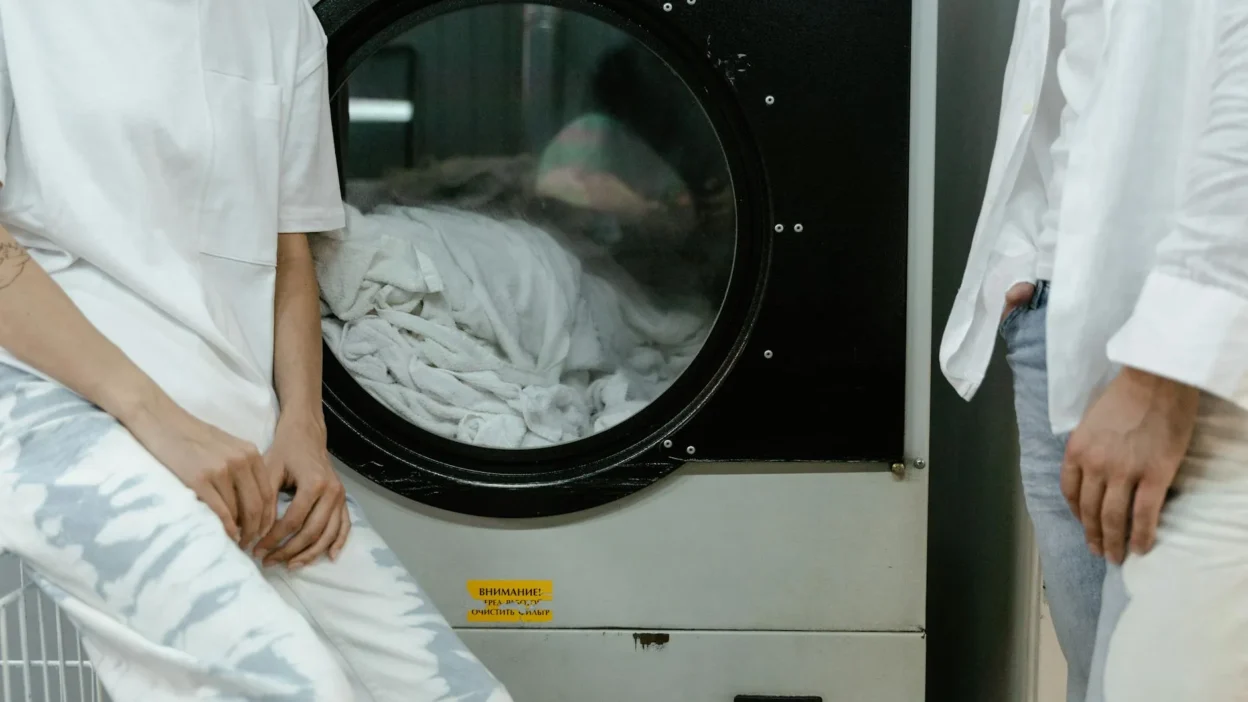
Photo by Nino Maghradze on Unsplash
- Pre-Rinse Heavily Soiled Cloths: For cloths caked with dried polish, mud, or grease, give them a quick rinse under warm water in the sink to remove the bulk of the grime. This prevents contaminating the whole wash load.
- Wash Separately: This is non-negotiable. Always wash microfiber cloths only with other microfiber items. Washing them with cotton, fleece, or other fabrics will coat them in lint.
- Use Hot Water: Set your machine to a hot water cycle (typically 130°F/55°C or higher). Hot water is much more effective at breaking down oils and rinsing away detergent and soil from the synthetic fibers.
- Use a Small Amount of Detergent: Use about half the amount you’d use for a normal load. Choose a liquid detergent that is free of fabric softeners and bleach. Powder detergents can sometimes leave residues.
- Skip the Extras: Do not add fabric softener, bleach, or vinegar to the wash. Vinegar is often suggested, but it can degrade the fibers over time and isn’t necessary with proper detergent use.
- Run an Extra Rinse Cycle: If your machine has the option, select an extra rinse. This ensures all detergent residue is thoroughly flushed out, leaving the fibers completely clean and ready to absorb.
The Critical Drying Stage: Where Most Damage Happens
Imagine pulling a warm, soft cloth from the dryer—it feels great, but you may have just shortened its life. The drying stage is where heat damage occurs, undoing all your careful washing. Your goal is to dry the cloth, not cook it.
Air drying is the safest method. Simply hang your cloths over a laundry rack, the back of a chair, or a shower rod. They dry surprisingly fast due to their synthetic material. This method guarantees zero heat damage and uses no energy.
If you must use a dryer, use no heat or the absolute lowest heat setting. The “air fluff” or “tumble dry” cycle with no heat is ideal. If your dryer doesn’t have that, use the “Delicate” or “Low” setting. Never use a high-heat cycle. Remove the cloths as soon as they are dry to prevent unnecessary heat exposure and static buildup.
And remember: no dryer sheets, ever. Throwing a dryer sheet in with a low-heat cycle reintroduces the coating chemicals you just washed out, making the entire process pointless.
Common Microfiber Care Mistakes (And How to Avoid Them)
Let’s consolidate the biggest errors into one clear list. Avoiding these is the simplest way to extend your cloth’s lifespan and keep it working like new.
- Using Fabric Softener or Dryer Sheets: As covered, this coats the fibers. Alternative: Use detergent only and enjoy the cloth’s natural softness when clean.
- Washing With Linty Fabrics (Cotton Towels): This fills your cloth with lint. Alternative: Wash microfiber only with microfiber. Keep a separate laundry bag for them.
- Using Too Much Detergent: Causes buildup and reduces absorbency. Alternative: Use half the recommended amount. Your cloths aren’t heavily soiled with body oils.
- Drying on High Heat: Melts and fuses fibers. Alternative: Air dry or use no-heat tumble dry.
- Storing Them While Damp: Leads to mildew and permanent odors. Alternative: Always let cloths dry completely before storing them in a drawer or bucket.
- Using Bleach or “2-in-1” Detergents: Bleach breaks down fibers, and detergents with built-in softeners leave residue. Alternative: Use a basic, softener-free liquid detergent.
- Not Pre-Rinsing Heavy Soil: Spreads grease and grit to other cloths. Alternative: Give filthy cloths a quick sink rinse before they go in the machine.
Turn Your Microfiber into a Long-Term Investment
Proper microfiber cloth maintenance might seem fussy at first, but it quickly becomes a simple habit. By avoiding the common traps—mainly softeners and high heat—you transform these cloths from disposable wipes into durable, high-performance tools. This correct care makes them more cost-effective and significantly more eco-friendly, as you’ll replace them far less often.
The best approach is to start with one change. If you do nothing else, stop using fabric softener and dryer sheets immediately. That single step will likely solve most of your streaking and absorbency issues. From there, you can build the rest of the routine. Your windows, counters, and car will thank you with a cleaner, streak-free shine for years to come.