You’re putting in the elbow grease, but the grime just isn’t budging. That stubborn ring in the tub or the caked-on mess on the patio tiles seems to laugh at your efforts. Before you blame your technique or reach for a harsher chemical, consider the tool in your hand. The sneaky culprit behind ineffective cleaning is often a simple, overlooked one: a worn-out scrub brush. This guide is your diagnostic checklist for recognizing the signs of brush wear and tear, so you can stop fighting a failing tool and finally understand when to replace a scrub brush for good.
Replace your scrub brush when the bristles are splayed, broken, or permanently matted, the handle is loose or cracked, and you find yourself scrubbing much harder for diminishing results. These are the core indicators that the brush is no longer functional. A worn brush doesn’t just make cleaning inefficient; it can actually damage surfaces by forcing you to use excessive, uneven pressure. Recognizing these signs is the first step to restoring easy, effective cleaning.
The 5 Key Signs Your Scrub Brush is Worn Out
If cleaning feels like a battle you’re losing, your tool is likely the culprit. Knowing when to replace scrub brush tools is less about a calendar and more about recognizing clear physical and functional symptoms. Run through this diagnostic checklist to see if your brush has crossed the line from helper to hindrance. when to replace scrub brush tools
1. Splayed or Bent Bristles
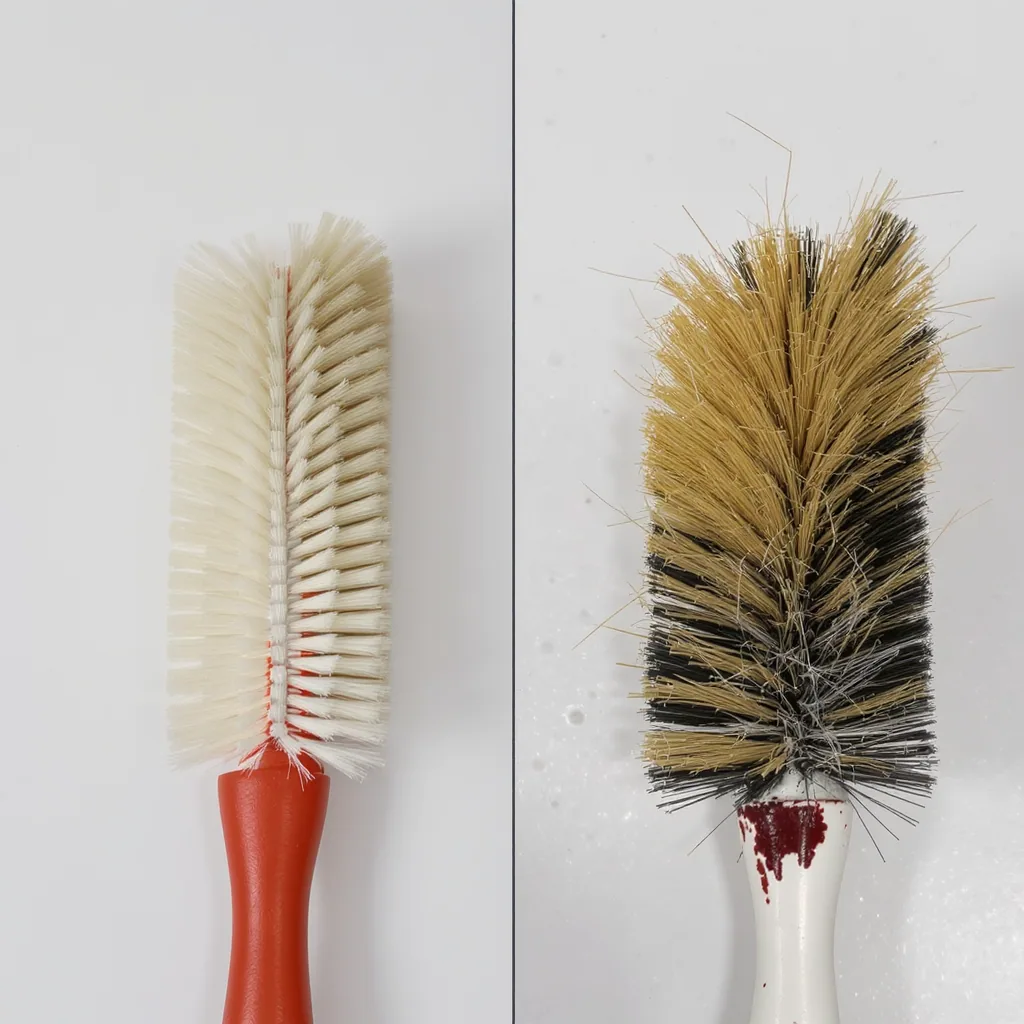
New bristles stand up straight, creating a firm, flat scrubbing surface. When they splay outward permanently, they lose their structural integrity. This means less concentrated pressure on the grime, forcing you to push harder to achieve the same effect. It’s one of the most obvious signs of a worn scrub brush.
2. Broken or Missing Bristle Clusters
Check for bald spots or sections where entire tufts have fallen out. This creates an uneven cleaning surface. Instead of a consistent scrub, you’ll get streaks of clean areas right next to untouched dirt, requiring multiple passes and more work.
3. Bristles That Feel Mushy or Mat Down
Healthy bristles should spring back when pressed. Worn-out bristles lose their stiffness and stay compressed or feel limp. A mushy brush can’t agitate cleaning solutions effectively; it just smears them around without lifting dirt.
4. A Loose, Wobbly, or Cracked Handle
This is a safety and control issue. A loose handle attachment or hairline cracks compromise your grip and leverage. You’ll instinctively tense your muscles to maintain control, leading to faster fatigue and making precise scrubbing difficult.
5. Grime That Won’t Budge or Reappears Quickly
The ultimate functional test. If you’re scrubbing with vigor but the dirt remains, or if a surface feels filmier after “cleaning,” the brush is no longer doing its job. This is the core result of all the other brush wear and tear symptoms combined.
How a Worn Brush Makes Cleaning Harder (The Hidden Costs)
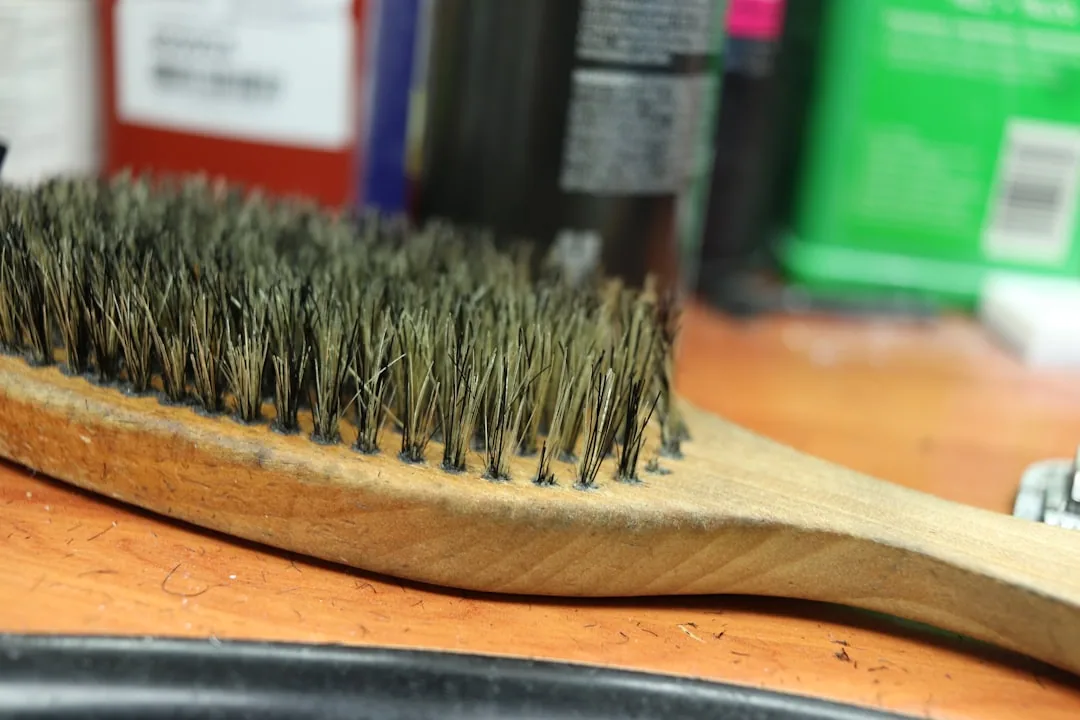
Photo by Jacob Johnson on Unsplash
Each sign of wear isn’t just a visual flaw; it directly translates to more effort, wasted time, and potential mess. Think of a worn brush as a tool that steals your energy.
Splayed bristles reduce the pressure per square inch you can apply. It’s like trying to write with a marker that has a frayed tip—you have to press harder to make a mark. Broken bristle clusters turn a simple task into a game of “find the missing spot,” leading to rework. A mushy brush fails to create the necessary friction to loosen dirt, so you’re just moving soapy water over the surface. A loose handle forces your wrist and forearm to work overtime to stabilize the tool, which is both inefficient and uncomfortable. Ultimately, using a deteriorated scrub brush turns a 5-minute job into a 15-minute struggle, a classic example of worn scrub brush cleaning mistakes in action.
Common Mistakes: What Not to Do with a Worn Brush
When we suspect a tool is failing, we often try to compensate in ways that can make things worse or even cause damage. Avoid these common pitfalls.
- Using Excessive Force: Pushing down with all your might is the natural response to a failing brush. This not only wears you out but can also scratch softer surfaces like acrylic or fiberglass, as the compromised bristles provide uneven pressure.
- Soaking It in Bleach or Harsh Chemicals to “Revive” It: This won’t restore bristle stiffness. It will only accelerate the breakdown of the materials, especially the adhesive holding the bristles, and is a waste of product.
- Using It on a Delicate Surface: A worn brush with broken, sharp bristle ends or a jagged plastic edge from a crack can easily scratch a non-stick pan, a ceramic cooktop, or a polished tile where a new, softer brush would be safe.
- Ignoring a Cracked Handle: That small crack can snap mid-scrub, potentially causing injury from the sharp plastic or from losing your balance. It also harbors bacteria in the crevice.
Your Simple Scrub Brush Care & Replacement Checklist
Proactive care can extend your brush’s life, but knowing the replacement trigger is key. Use this combined brush care checklist and diagnostic guide monthly or whenever cleaning feels off.
- Inspect & Care:
- ✅ Rinse thoroughly with hot water after each use to remove debris and soap residue.
- ✅ Store upright in a dry, ventilated area to prevent bristles from staying bent or matted.
- ✅ Periodically check bristles for splaying, breakage, and loss of spring.
- ✅ Examine the handle for tightness and any cracks.
- Signs of Wear (Replacement Indicators):
- ❌ Bristles are permanently splayed or bent.
- ❌ Clusters of bristles are missing or broken.
- ❌ Bristles feel mushy and don’t spring back.
- ❌ Handle is loose, wobbly, or cracked.
- ❌ Cleaning requires significantly more effort for poor results.
The Rule: If you check two or more items in the “Signs of Wear” column, you’re dealing with an ineffective cleaning brush. Its cleaning brush lifespan is over. Replacing it is the smart, efficient move.
Stop Scrubbing Harder, Start Cleaning Smarter
Cleaning shouldn’t feel like a test of endurance. A worn-out scrub brush is a subtle thief, stealing your time and effort while delivering subpar results. By learning to spot the key signs—from splayed bristles to a wobbly handle—you move from frustration to efficiency. Don’t fall into the trap of forcing a dead tool to work. Recognizing when to replace scrub brush tools is a simple, decisive win. Your next cleaning session will be faster, easier, and more effective with a proper tool in hand.