Picture this: you’ve just knocked over a glass of red wine, and the crimson pool is spreading across your beige carpet. Your heart sinks. Now, picture a different scene: you’re vacuuming and notice a mysterious dark spot near the sofa that’s been there for weeks, maybe months. Your heart sinks in a different, more resigned way. The critical difference between these two scenarios isn’t just time—it’s your entire strategy. Treating a fresh spill like an old stain (or vice versa) is one of the most common old stain cleaning mistakes and can turn a simple cleanup into a permanent blemish. Success in fresh vs set in carpet stains isn’t about having magic potions; it’s about knowing which protocol to deploy from the very first second.
The best way to handle a carpet stain depends entirely on its age. For a fresh spill, your priority is immediate containment and gentle blotting to prevent it from soaking deep into the fibers and backing. For a set-in stain, you must first re-activate it with a targeted pre-treatment before attempting to clean, as scrubbing a dry stain will only damage the carpet pile.
The Critical First 60 Seconds: Your Fresh Stain Protocol
When a spill happens, time is your most valuable asset. Your goal isn’t just to clean, but to contain. A rapid, methodical response can prevent a simple spill from becoming a permanent blemish. Follow this new carpet stain removal protocol the moment an accident occurs.

Photo by Buddy AN on Unsplash
First, gently scrape away any solid debris with a dull knife or spoon. Then, grab a stack of clean, white paper towels or a white cloth. Why white? To avoid any dye transfer that could compound the problem. Begin blotting—never rubbing—from the outside edge of the spill inward. Rubbing grinds the stain deeper into the carpet fibers and backing, which is one of the most common carpet stain cleanup steps people get wrong.
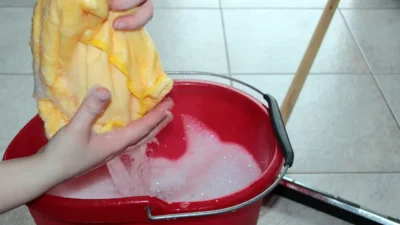
Next, prepare a simple cleaning solution. For most water-based spills (juice, soda, coffee), a mix of one teaspoon of clear, mild dish soap with a cup of lukewarm water works well. For potential protein-based stains (milk, blood), cold water is safer. Apply a small amount of your solution to a clean section of cloth and blot it onto the stain. Work in small circles from the outside in, then use a dry section of cloth to blot up the moisture. Repeat with clean water to rinse the area, and blot dry. Finally, place a stack of dry paper towels weighted with a book over the spot to absorb residual moisture and prevent wicking as it dries completely.
Assessing the Damage: Is That Stain Really Set-In?
Not every stain announces itself with a dramatic spill. Sometimes, you discover a mysterious spot days or weeks later. The first step in old carpet stain treatment is a proper diagnosis. A set-in stain has had time to dry and undergo a chemical change, bonding with the carpet fibers.
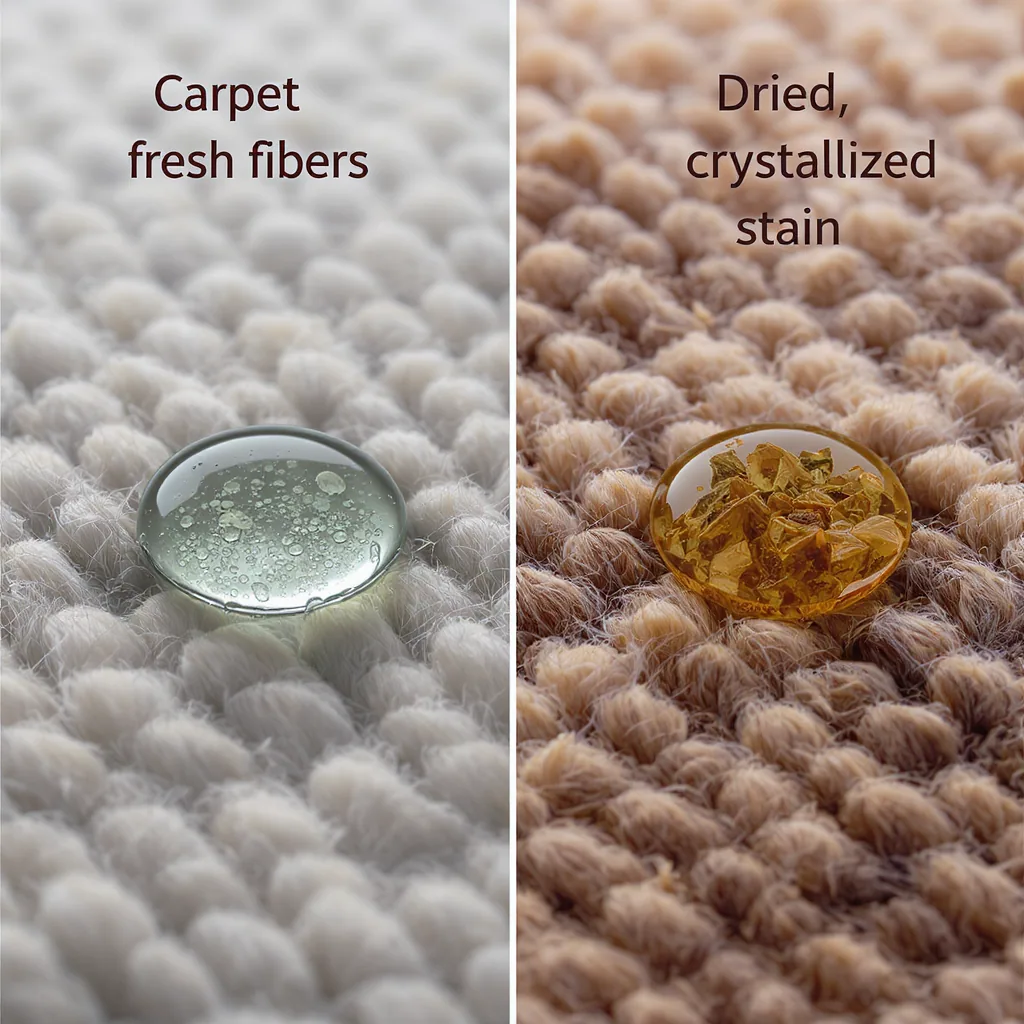
Look for these clues: the spot feels dry or crusty to the touch, the color may have darkened or changed hue (a red wine stain turning brownish), and the carpet fibers might feel stiff or matted together. This stain age assessment is critical. When a stain dries, the liquid evaporates, leaving behind concentrated pigments, sugars, or oils that crystallize and adhere tightly. Attempting to scrub a dry stain with a standard cleaner is often futile and can damage the carpet pile, setting the stain further.
Understanding this difference is what separates successful stain removal from frustrating failure. The old stain is no longer a liquid to be soaked up; it’s a deposit that must be broken down.
The Set-In Stain Rescue Playbook
For a set-in stain, brute force is the enemy. Your goal is to re-liquefy and re-suspend the stain particles so they can be extracted. This set-in stain cleaning protocol requires patience and a different first step: pre-treatment.
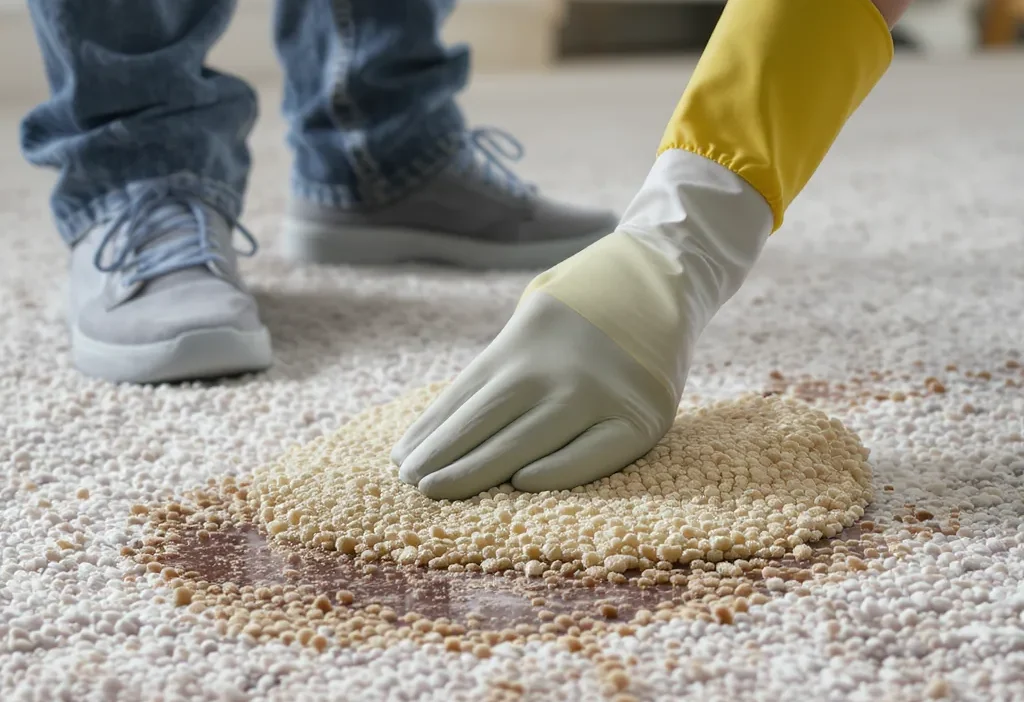
Start by vacuuming the area thoroughly to remove any dry, loose soil. Next, apply a pre-treatment. For many organic stains, a solution of one part white vinegar to two parts water can help break down residue. For tougher or oily stains, a commercial carpet pre-spray or a few drops of dish soap in water may be more effective. The key is to let the solution dwell. Apply it lightly, just enough to dampen the fibers, and allow it to sit for 10-15 minutes. This dwell time is non-negotiable—it allows the solution to penetrate and re-activate the dried stain.
After the dwell time, use a soft-bristled brush (like a toothbrush) to gently agitate the area. Then, blot aggressively with a clean, white cloth to extract the now-liquefied stain. You may need to repeat the pre-treatment and blotting process. Finish by rinsing the area with plain water on a cloth and blotting dry. As with a fresh stain, ensure the area dries completely to prevent mold or wicking.
Common Mistakes That Make Stains Permanent
Even with the best intentions, certain actions can sabotage your cleaning efforts. Avoiding these old stain cleaning mistakes is as important as following the right steps.
Don’t rub a fresh stain. This is the cardinal sin. Rubbing spreads the stain laterally and forces it deeper into the carpet backing, making it far harder to remove.
Don’t pour cleaning solution directly onto the carpet, especially for an old stain. This overwets the area, pushing dissolved stain particles into the backing and pad. When the carpet dries, the stain “wicks” back up to the surface, reappearing as a faint ring.
Don’t use colored cloths or paper towels. Dyes can bleed onto your carpet, creating a new, colorful problem on top of the original one.
Don’t skip the dwell time for set-in stains. Impatience leads to scrubbing a still-dry stain, which damages fibers without lifting the stain.
Don’t use excessive heat, like a steam cleaner on high or a hair dryer, to dry the spot. Heat can set protein-based stains (like blood or milk) permanently.
Master Your Stain Response
The battle against carpet stains isn’t won by strength, but by strategy. Remember, the core principle is simple: a fresh spill demands immediate containment and extraction, while a set-in stain requires patient re-activation before cleaning. By matching your protocol to the stain’s age, you move from frantic scrubbing to controlled, effective action.
Even stains that have been lurking for weeks aren’t always hopeless. With the right set-in stain rescue playbook, you can often improve them significantly or remove them entirely. Equip yourself with white cloths, mild solutions, and, most importantly, the knowledge of what to do first. Next time a spill happens—or you find an old mystery spot—you can act with confidence, not panic.