It’s a moment of pure panic: red wine arcs across the white sofa, coffee splashes onto your favorite shirt, or a dollop of ketchup lands on the carpet. Your hand instinctively flies out, pressing down and rubbing furiously, as if sheer force of will can erase the mishap. It’s a natural reaction, but it’s also one of the most common stain cleaning mistakes you can make. That frantic friction is often the very thing that sets a stain permanently, grinding it deeper and wider. The truth is, rubbing stains makes them worse. This article will break down the simple science behind why this instinct backfires and arm you with the universally safer, more effective technique: blotting.
The instinct to rub a fresh stain is natural, but it’s one of the biggest cleaning mistakes you can make. Rubbing uses friction to grind the stain particles deeper into fabric fibers and spread the spill, while gentle, repeated blotting lifts the liquid to the surface where it can be absorbed. For almost any liquid stain—from juice to ink—your first and safest move is always to reach for a clean cloth and press straight down, then lift straight up.
The Science of a Stain: Why Rubbing Backfires
To understand why rubbing stains makes them worse, you need to think about what a stain actually is and how fabric works. A fresh spill is liquid suspended on and between the fibers of your carpet, shirt, or sofa. Your goal is to remove that liquid without letting it become a permanent mark.
Rubbing sabotages this goal in three key ways:
- Friction Grinds It In: The back-and-forth motion acts like sandpaper, physically grinding the stain particles deeper into the tiny spaces within each fiber. This makes the stain more embedded and harder to lift out.
- It Pushes Liquid Through: The pressure forces the liquid to travel through the weave of the fabric, often pushing it to the other side (like a red wine stain coming through to the underside of a tablecloth).
- It Spreads the Area: Lateral motion doesn’t just move the stain down—it moves it outward. You effectively paint a larger area with the spill, turning a small spot into a large, smeared blotch.
This combination of deeper penetration and wider spread is the core reason this common stain cleaning mistake leads to frustration. The action that feels most active and corrective is, in fact, the most destructive.
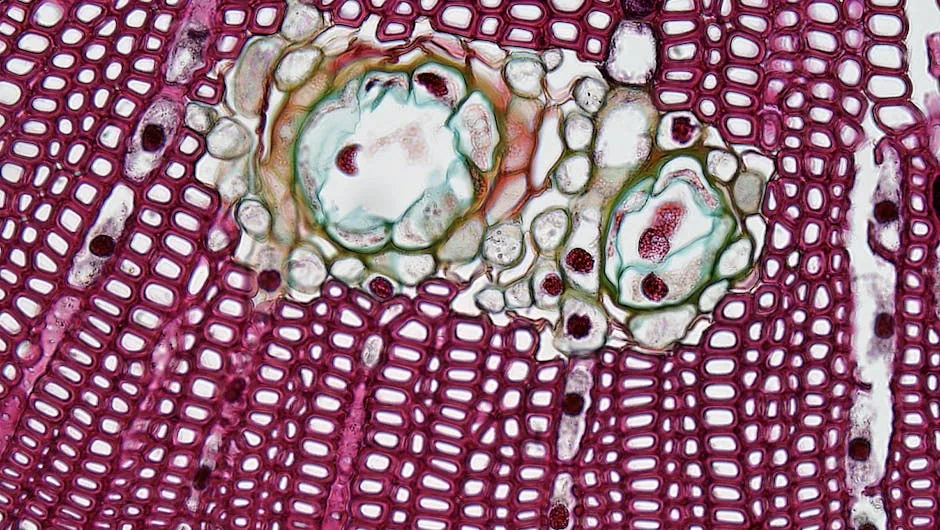
Photo by Fayette Reynolds M.S. on Pexels
Blotting vs. Rubbing: A Side-by-Side Comparison
The fix is to replace a harmful habit with a helpful one. Let’s break down the blot vs rub stain cleaning debate with a clear comparison of actions and outcomes.
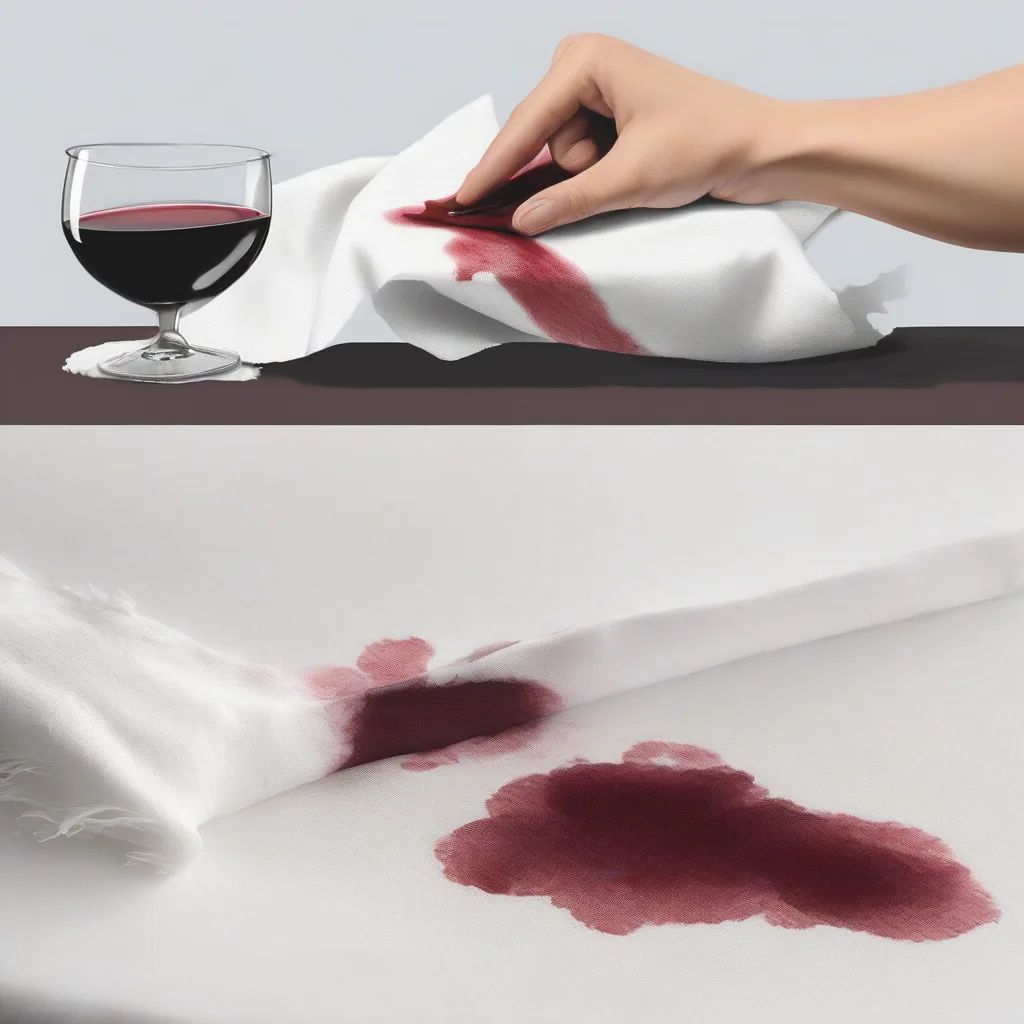
The Rubbing Method (What Not to Do):
- Action: Vigorous, back-and-forth scrubbing with a cloth or paper towel.
- Result: The stain is ground deeper into fibers, pushed through to the other side, and smeared into a larger, more noticeable area. This can also damage delicate fibers, causing wear or pilling.
The Blotting Method (The Correct Technique):
- Action: Gentle, straight-down pressure followed by a straight-up lift. Think “press and lift,” repeated in a new spot.
- Result: Liquid is wicked upward and absorbed into your cleaning cloth, containing the stain to its original area. The fabric structure remains intact, preserving your item and making further treatment easier.
This “blot don’t rub” method isn’t just a minor tip—it’s a fundamental shift in your stain removal approach that protects your belongings.
The Right Way to Blot: A Step-by-Step Guide
Now that you know why to blot, here’s exactly how to do it. Follow this universal protocol for safe stain treatment on most liquid spills.
1. Act Immediately & Scrape Solids
Speed is your ally. The sooner you address a spill, the less time it has to set. If there’s any solid material (like food), gently scrape it away with a blunt edge like a spoon or knife. Don’t smear it.
2. Use a Clean, Absorbent Cloth
Grab a white or light-colored cloth, paper towels, or a clean sponge. Avoid colored cloths that could transfer dye. The more absorbent, the better.
3. Press Straight Down and Lift Up
This is the core motion. Place your cloth over the stain and apply firm, straight-down pressure. Hold for a few seconds to allow absorption, then lift straight up. Do not scrub, wipe, or swirl.
4. Work from the Outside In
To prevent spreading, start blotting at the outer edge of the damp area and work your way toward the center. This pushes the liquid inward, not outward.
5. Change Cloths Frequently
As soon as one section of your cloth is soiled, rotate to a clean section or grab a fresh cloth. Reusing a soaked cloth just redeposits the stain.
6. Repeat Until No More Transfer
Continue the press-and-lift process with fresh cloths until you see little to no moisture transferring from the fabric to your cloth.
Beyond Blotting: Tailoring Your Approach
Blotting is the critical, universal first step for almost any fresh, liquid stain—from coffee and juice to wine and gravy. It contains the damage and removes excess contaminant, setting the stage for further treatment.
What you do after blotting depends on the stain type. For water-based stains (like soda or fruit juice), dabbing with cool water may be the next step. For grease or oil, a drop of dish detergent diluted in water is often effective. The key is to always apply any cleaning solution by dabbing or pouring, and then to remove it by blotting, not rubbing.
A quick note on exceptions: For very old, dried stains, gentle agitation with a soft-bristled brush after applying a stain remover might be necessary to break up the residue. But even then, the initial application and final removal should involve careful dabbing and blotting to avoid the classic stain cleaning mistakes that set stains permanently.
Handle Your Next Spill With Confidence
Breaking the instinct to rub a stain is one of the simplest yet most powerful upgrades you can make to your home care routine. It requires no special products, just a change in technique. By understanding the science and adopting the press-and-lift method of blotting, you move from a reaction of panic to one of calm, effective action.
Remember, the next time you see a fresh spill, your first move isn’t toward the cleaning spray—it’s toward a clean cloth and a gentle, deliberate blot. Your carpets, clothes, and upholstery will thank you for it.