You vacuum, you mop, you spot-treat, yet your hardwood floors look perpetually dull and your favorite sofa’s fabric seems to wear thin before its time. This daily frustration isn’t just about dirt; it’s often the silent, cumulative cost of well-intentioned but incorrect cleaning habits. The most common floor and fabric cleaning mistakes to avoid stem from a “one-size-fits-all” approach, using the wrong tools or harsh chemicals that degrade surfaces instead of preserving them. This article shifts the focus from mere cleaning to intelligent care, serving as your essential protocol playbook. By understanding the specific needs of each material in your home—from sealed laminate to plush wool carpets—you can stop the damage, protect your investment, and ensure your floors and furnishings look their best for years longer.
The key to avoiding daily damage is to always match your cleaning method to the specific material first. The most critical mistakes involve using all-purpose cleaners on everything, over-wetting surfaces, and scrubbing stains aggressively instead of blotting. For immediate spill response, act quickly with a clean cloth, but for routine care, always identify whether you’re dealing with hardwood, laminate, carpet, or a specific upholstery fabric and follow its manufacturer-recommended protocol.
The High Cost of ‘One-Size-Fits-All’ Cleaning
The most pervasive and costly of all household cleaning blunders is the belief that one cleaner, one mop, and one technique can safely handle every surface in your home. This approach isn’t just inefficient—it actively degrades your floors and fabrics. The damage occurs because materials react to chemicals, moisture, and physical abrasion in fundamentally different ways.
Photo by Lisa Anna on Unsplash
Why Materials Matter
Sealed, non-porous surfaces like vinyl plank or glazed tile can handle more moisture and a wider range of pH levels. Porous, absorbent materials like natural stone, unsealed grout, and most upholstery fabrics act like sponges, trapping liquids and chemicals that can cause staining, discoloration, and microbial growth. Similarly, a finish on hardwood or laminate is a protective layer; using an abrasive scrubber or a harsh solvent strips this layer away, leaving the core material vulnerable.
The financial and aesthetic cost is real: premature wear, permanent staining, warping, and the need for expensive professional repair or replacement. Adopting a material-first mindset is the single most effective shift you can make to protect your investment. For definitive guidance, always consult your manufacturer’s care guide, like this comprehensive resource from the National Wood Flooring Association.
Your Foundational Cleaning Protocol: The 10-Step Daily Playbook
To move from guesswork to guaranteed safety, internalize this core protocol. Think of it as your essential playbook for any cleaning task, from a daily wipe-down to an emergency spill.
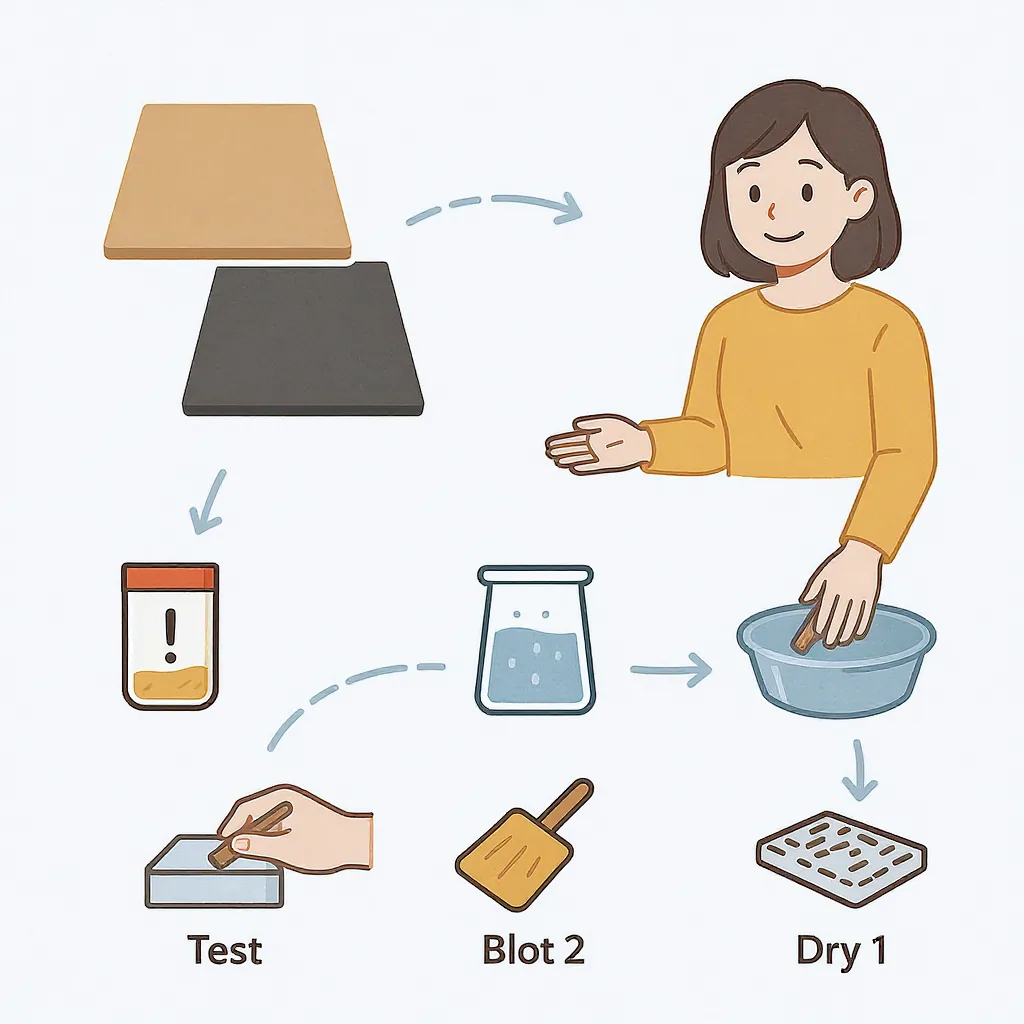
- Identify the Material. Before you touch a cleaner, ask: Is this sealed hardwood, laminate, wool carpet, or synthetic microfiber? Knowing what you’re cleaning is 80% of the battle.
- Read the Manufacturer’s Label. Check tags on furniture and warranty booklets for flooring. They provide the only guaranteed-safe methods.
- Choose the Correct Tool & Cleaner. Match your equipment to the task: microfiber for dust, a soft-bristled brush for grout, a pH-neutral cleaner for most surfaces.
- Spot Test in an Inconspicuous Area. Apply your chosen solution to a hidden spot (under a cushion, in a closet corner). Wait for it to dry completely to check for discoloration or damage.
- Dilute Products Properly. More concentrate is not more effective—it’s a recipe for sticky residue and difficult rinsing. Always follow bottle instructions.
- Apply Cleaner to the Tool, Not the Surface. Spraying cleaner directly onto floors or fabrics almost always leads to over-application and over-wetting.
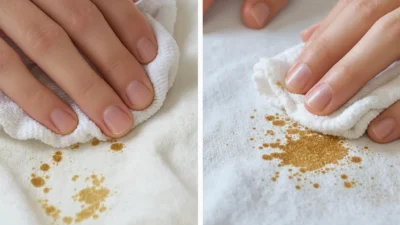
- Blot, Don’t Scrub. For fabrics and fresh spills, pressing down and lifting (blotting) lifts the stain. Scrubbing grinds it deeper and damages fibers.
- Extract Excess Moisture Immediately. Use a dry towel, a wet-dry vacuum, or the clean water pass on a steam mop to pull up as much liquid as possible.
- Dry Thoroughly. Accelerate drying with fans, open windows, or dehumidifiers. Never let a damp surface air dry slowly.
- Schedule Regular Deep Cleans. Daily care maintains; periodic deep cleaning revitalizes. Mark your calendar for professional carpet cleaning or a thorough grout scrub every 6-18 months.
Floor-Specific Fails: Hardwood, Laminate, Tile & Vinyl
Applying the foundational protocol means respecting the unique needs of each floor type. Here are the most common floor maintenance errors to avoid.
Hardwood & Engineered Wood
Don’t: Use steam mops, pour water directly on the floor, or use vinegar or alkaline cleaners. These can warp planks, degrade the finish, and cause cloudy whitening.
Do: Dry dust or vacuum with a soft brush attachment. Damp-mop with a well-wrung microfiber pad and a cleaner specifically formulated for hardwood.
Laminate & LVT (Luxury Vinyl Tile)
Don’t: Use wax-based polishes, abrasive scrub pads, or soaking wet mops. These can leave a dulling film, cause scratches, and allow moisture to seep into seams.
Do: Sweep regularly. Clean with a lightly damp mop and a mild, pH-balanced cleaner. Wipe spills promptly to prevent liquid from penetrating the locking systems.
Tile & Grout
Don’t: Use acidic cleaners (like some toilet bowl cleaners) on natural stone, or neglect to reseal grout periodically. Acid etches stone, and unsealed grout absorbs stains.
Do: Use a neutral-pH tile cleaner. For grout, use a soft brush and a dedicated grout cleaner. Reseal grout lines annually to maintain stain resistance.
Sheet Vinyl & Linoleum
Don’t: Use harsh solvents, abrasive cleaners, or apply excessive heat. These can break down the wear layer, causing discoloration and tears.
Do: Sweep and damp-mop. For disinfecting, use a dilute solution approved for vinyl floors. Avoid rolling heavy appliances without a protective layer.
Fabric Care Catastrophes: Carpets, Rugs & Upholstery
Fabric surfaces are particularly vulnerable to common cleaning errors. Missteps here lead to permanent stains, matting, and a shortened lifespan.
Carpet & Area Rugs
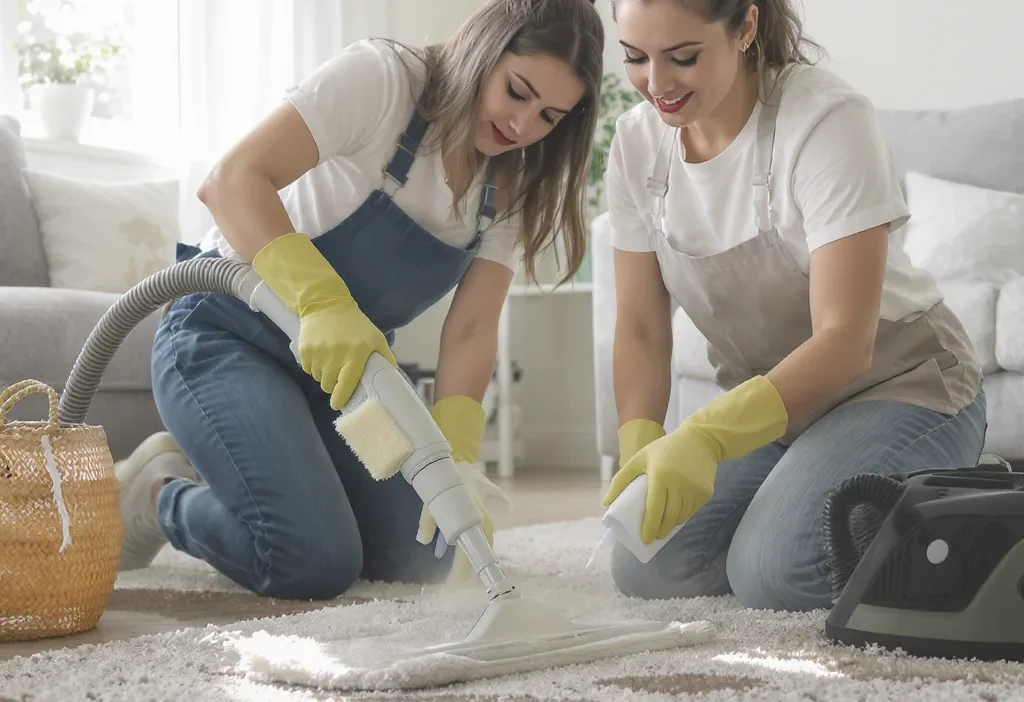
A classic carpet cleaning mistake is over-shampooing or using too much water. This leaves a sticky residue that attracts dirt faster (called rapid re-soiling) and can lead to mold growth in the pad below. Another error is scrubbing a stain vigorously, which frays fibers and causes the stain to “wick” back to the surface as it dries.
Upholstered Furniture
Major upholstery cleaning errors include using all-purpose cleaners or bleach on colored fabrics, which can cause fading or dye transfer. Using excessive heat to dry a wet spot can set protein-based stains (like milk or blood) permanently. Always check the fabric code (W, S, WS, or X) and follow its cleaning instructions.
Your Quick-Response Toolkit
Being prepared stops small spills from becoming big problems. Keep these items handy:
- White, absorbent cloths or paper towels: For immediate blotting.
- A dull edge (butter knife or spoon): To gently scrape up semi-solids.
- A handheld carpet extractor or wet/dry vacuum: For rapid moisture removal.
- pH-neutral fabric cleaner: For general spot treatment on colorfast fabrics.
- Isopropyl alcohol (70%): For ink or fresh grease stains on sturdy fabrics (test first!).
The Tool & Product Trap: What’s Actually Damaging Your Home
Many common tools and “miracle” products promise convenience but are agents of slow destruction. Let’s analyze a few scenarios.
Scenario: Using a stiff-bristled brush or abrasive mop pad on laminate. Laminate has a sensitive wear layer. The abrasive action creates microscopic scratches that diffuse light, making your floor look perpetually dull and dusty, no matter how much you clean.
Scenario: Deploying a “magic” eraser melamine sponge on a glossy painted wall or cabinet. These sponges work via micro-abrasion, like ultra-fine sandpaper. On a delicate finish, they don’t clean dirt—they permanently remove the gloss coat, leaving a flat, patchy area.
Scenario: Relying on aerosol spray cleaners for weekly dusting. The propellants and silicones in many sprays leave a thin, sticky film that actually attracts and holds dust and allergens, creating a cycle where you need to clean more often. A simple microfiber cloth, dampened with water, is often more effective. For maintaining your tools, resources like the Good Housekeeping guide to vacuum maintenance are invaluable.
Spot Treatment Scenarios: Handling Spills Before They Set
Panic leads to poor decisions. Apply your protocol calmly to these common spills.
Scenario: Red wine on a synthetic carpet. The Mistake: Pouring salt or club soda haphazardly and scrubbing. The Protocol: 1) Blot aggressively with a white cloth to absorb liquid. 2) Mix a drop of clear dish soap in a cup of cool water. 3) Apply a small amount to the stain and blot. 4) Rinse by blotting with a cloth dampened with plain water. 5) Place dry towels over the area and weigh them down to absorb residual moisture.
Scenario: Grease splatter on a cotton-blend sofa cushion (code “S”). The Mistake: Rubbing with a wet cloth, which spreads the grease. The Protocol: 1) Scrape off excess. 2) Sprinkle baking soda or cornstarch to absorb oil, let sit 15 minutes, then vacuum. 3) Apply a small amount of dry-cleaning solvent (per the “S” code) to a cloth and dab the stain, working from the outside in. 4) Allow to air dry fully.
Scenario: Muddy footprints on sealed hardwood. The Mistake: Mopping it up immediately, grinding abrasive dirt into the finish. The Protocol: 1) Let the mud dry completely. 2) Dry sweep or vacuum the now-brittle dirt away. 3) Dampen a microfiber cloth with hardwood floor cleaner and wipe the area. 4) Dry immediately with a separate dry cloth.
Prevention Over Correction: Building Smart Daily Habits
The ultimate goal of this playbook isn’t to become an expert stain-remover; it’s to prevent stains and wear from happening in the first place. Shift your focus from reactive cleaning to proactive care with these simple habits.
Start at the door: place high-quality, absorbent doormats at every entrance and institute a “no outdoor shoes” policy indoors. This single habit eliminates up to 80% of the dirt and grit that acts as sandpaper on your floors. For fabric care, make weekly vacuuming of carpets and upholstery with the correct attachments (like a soft brush or upholstery tool) non-negotiable. This lifts abrasive soil before it can grind fibers down.
Finally, adopt the “blot first, think second” rule for any spill. Keeping a stack of clean white towels in a handy cabinet empowers you to act instantly, absorbing the bulk of a spill before it becomes a set-in stain. This mindset of gentle, immediate, and material-aware care is the true secret to a home that looks well-kept for years, not just clean for today.
Master Your Home’s Care, Not Just Its Clean
Effective home care is less about vigorous scrubbing and more about informed, gentle preservation. By moving away from a one-size-fits-all mentality and adopting the material-specific protocols outlined here, you shift from a cycle of damage and repair to one of sustained protection. The upfront effort of identifying a fabric code or choosing the right cleaner pales in comparison to the cost and frustration of replacing a ruined carpet or refinishing a clouded hardwood floor.
Remember, your floors and furniture are significant investments in your daily comfort and your home’s value. Treating them with the tailored care they deserve isn’t just cleaning—it’s stewardship. You now have the foundational playbook to keep your living space not only spotless but also vibrant and long-lasting for years to come.
The core philosophy for avoiding daily cleaning pitfalls is simple: identify first, clean second. Always match your method to the specific material you’re dealing with. The key protective takeaways are to prioritize gentle blotting over aggressive scrubbing, control moisture meticulously to prevent over-wetting, and act on spills immediately with the right tools. By scheduling regular deep cleans and building proactive habits like using doormats, you protect your home’s surfaces from wear, extending their life and beauty far beyond what reactive cleaning can achieve.
Q: Can I use vinegar to clean all my floors?
A: No. While vinegar is a popular natural cleaner, its acidity can dull the finish on hardwood floors over time and is particularly damaging to natural stone like marble or limestone, which it can etch. It is safer on sealed, non-porous surfaces like ceramic or porcelain tile, but a pH-neutral cleaner is generally a safer, more universal choice for daily floor care.
Q: Is it okay to use a steam mop on laminate flooring?
A: It is not recommended. Laminate flooring is made of composite wood with a photographic layer and a wear layer on top. Even small amounts of steam can penetrate the seams, causing the core to swell and warp. The heat can also degrade the adhesive holding the planks together. Always use a damp (not wet) mop with a laminate-approved cleaner.
Q: How can I tell if I’ve over-wet my carpet during cleaning?
A: Signs of over-wetting include the carpet remaining damp for more than 6-12 hours, a musty odor developing, or visible discoloration or browning (which can indicate wicking of dirt from the backing or pad). To avoid this, use minimal moisture, extract thoroughly with a wet vacuum, and accelerate drying with fans and dehumidifiers.
Q: What’s the one cleaning tool I should avoid for my furniture?
A: Avoid stiff-bristled brushes or abrasive scrub pads on any upholstered furniture. They can break and fray delicate fibers, leading to premature wear and pilling. For most fabrics, a soft-bristled upholstery brush attachment on your vacuum or a gentle, colorfast microfiber cloth for spot cleaning is the safest choice.
Q: How often should I deep clean my upholstery versus daily care?
A: Daily or weekly care involves vacuuming with an upholstery attachment to remove surface dust and crumbs. A professional deep clean is recommended every 12-24 months, depending on use. For homes with pets, allergies, or high traffic, an annual deep clean helps remove embedded allergens and soils that surface cleaning can’t reach, revitalizing the fabric.