Ever find yourself staring into the cleaning caddy, a scrub brush in one hand and a sponge in the other, wondering which is the right soldier for the bathroom tile campaign? You’re not alone. Choosing between these two common tools isn’t just about personal preference—it’s about matching the right level of abrasion and technique to your specific tile and grime. Using the wrong one can lead to wasted effort, a less-than-sparkling finish, or even subtle damage over time. This isn’t a debate about which tool is universally better, but a practical guide to help you make the smart, efficient choice every time you clean. Let’s cut through the clutter and look at when to deploy the scrub brush versus the sponge for your bathroom tile, so you can clean with confidence and protect your surfaces.
The best way to choose between a scrub brush and a sponge for bathroom tile is to match the tool to the task. Use a stiff-bristled scrub brush for tackling built-up soap scum, mildew in grout lines, and textured tile surfaces. Opt for a non-abrasive sponge for daily wipe-downs, light cleaning, and polished or delicate tiles to avoid surface damage. This simple rule helps you decide on the right tool for scrub brush vs sponge bathroom tile cleaning effectively.
The Core Strengths of Each Tool
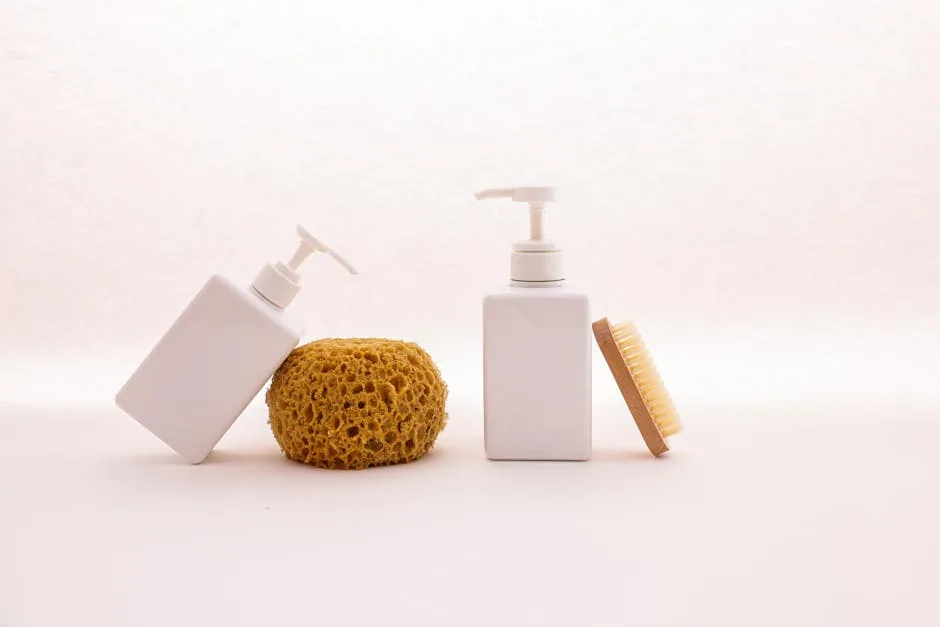
Photo by Cup of Couple on Pexels
Before we pit them against each other, let’s understand what each tool is fundamentally good at. Think of this as establishing their “home turf.”
The Scrub Brush: Your Muscle for Grime
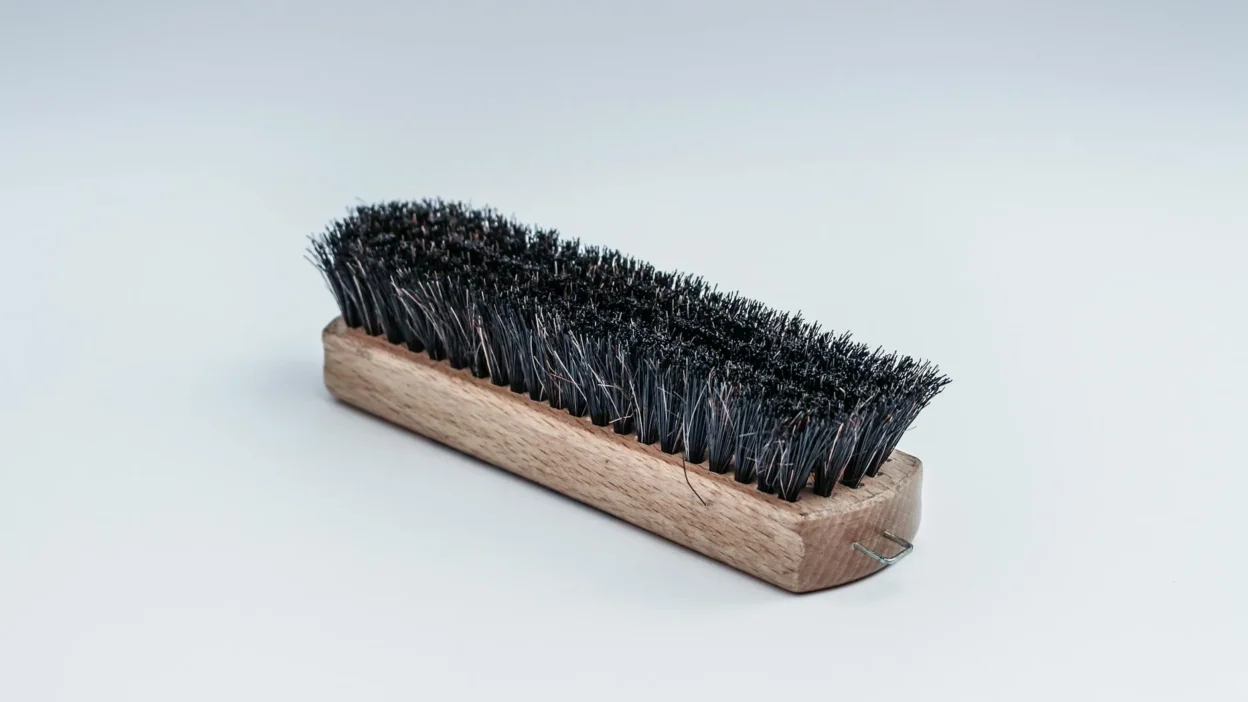
A good bathroom scrub brush is defined by its stiff bristles (often nylon or plastic) and a handle that gives you leverage. This design is purpose-built for agitation. The bristles dig into textured surfaces and, most importantly, into the porous grout lines where soap scum, mildew, and mineral deposits love to hide. It’s the tool you reach for when you need to apply physical pressure to break up buildup that a simple wipe won’t touch. For a deep clean, it’s often the best tool for bathroom tile grout.
The Sponge: The Gentle Workhorse
A standard cellulose or microfiber sponge excels at absorption and application. Its soft, porous side is perfect for wiping down large, smooth surfaces, applying cleaning solutions evenly, and soaking up water and suds. It’s gentle enough for daily use on polished tiles and glass shower doors without risking scratches. Effective bathroom sponge cleaning is about maintenance—quickly addressing light soil and water spots before they have a chance to harden into a bigger problem.
Your Tile Type Decides the Battle
Photo by Olivier Bergeron on Unsplash
The single biggest factor in choosing your weapon is the surface you’re cleaning. Using the wrong tool can lead to ineffective cleaning or, worse, damage. Here’s how to match the tool to your tile.
Smooth, Glazed Ceramic or Porcelain Tile
This is the most common bathroom tile and it’s solidly in sponge-friendly territory. The hard, non-porous glaze means grime sits on top, making it easy to wipe away. A non-abrasive sponge is perfectly effective for weekly cleaning and protects the shiny finish.
Textured, Unglazed, or Natural Stone Tile
Here’s where the brush takes over. Textured surfaces (like some floor tiles) or unglazed tiles have microscopic pits that trap dirt. A sponge will just glide over the top. The bristles of a scrub brush can get into those crevices. Crucial note for natural stone (like marble, travertine, or slate): Always check the manufacturer’s care instructions. Many require specific pH-neutral cleaners and soft cloths only; a stiff brush can permanently etch the surface. A common tile scrubbing mistake is using an abrasive brush on a delicate stone.
Evaluate the Grout
Grout is porous and a magnet for stains. If your grout is lightly discolored, a sponge with a good cleaner might suffice. If it’s dark with mildew or has gritty, built-up deposits, you need the aggressive action of a scrub brush for grout. The narrow edge of a brush head is designed to focus pressure right into the grout line.
Scenario Guide: Which Tool When?
Let’s make this practical. Here are specific cleaning situations and the clear winner for each, so you can grab the right tool without a second thought.
- The Weekly Shower Spray-and-Wipe: You use a daily shower spray or are doing a quick weekly clean. Tool: Sponge. The goal is to prevent buildup, not attack it. A sponge is fast, gentle, and perfect for this light bathroom sponge cleaning routine.
- The Monthly Grout Scrub: It’s deep-clean day, and the grout lines are looking dingy. Tool: Scrub Brush. Apply your preferred grout cleaner, let it dwell, then use the brush to scrub the lines vigorously. The mechanical action is irreplaceable here.
- Cleaning Textured Floor Tile: Your bathroom floor has a pebbled or raised pattern. Tool: Scrub Brush. A mop or sponge will leave dirt behind in the texture. A brush (perhaps on a long handle) will dislodge it.
- Wiping Down Polished Wall Tile After a Bath: Just removing condensation and light soap splashes. Tool: Sponge. It’s safe, absorbent, and won’t leave micro-scratches on the glossy finish.
- Removing Hard Water Spots from Glass Tile: For stubborn white crusty spots. Tool: Brush (with care). A soft-bristled brush can help dislodge the mineral deposit without scratching like a scouring pad might. For extreme cases, a dedicated pumice stone designed for cleaning is a specialist option.
The Hybrid Approach & Final Trade-Off
The smartest cleaners don’t choose one—they use both in a strategic one-two punch. Start with a damp sponge to apply your cleaning solution evenly across the tile and grout. Then, switch to the scrub brush to aggressively tackle the grout lines and any problem areas. Finally, use a clean sponge or rinse cloth to wipe away the dissolved grime and residue. This method is efficient and ensures you’re using each tool for its superpower.
So, what’s the final trade-off? It boils down to power versus gentleness. The scrub brush offers raw cleaning power for entrenched grime and textured surfaces. The sponge offers safe, versatile efficiency for maintenance and smooth surfaces. There’s no single “best tool for bathroom tile”—there’s only the right tool for your tile’s specific condition today. By assessing the surface and the level of soil, you can move past the guesswork and clean with confidence.
Cleaning Smarter, Not Harder
The debate between a scrub brush and a sponge isn’t about which tool is universally better. It’s about applying a little strategy to a routine chore. By first looking at your tile’s texture and then assessing the level of grime, you make an informed choice. This simple decision tree—smooth or textured? light soil or heavy buildup?—saves you time and effort while protecting your bathroom surfaces from damage. Now, when you open that cabinet under the sink, you’ll know exactly which warrior to recruit for the battle against bathroom grime.