There’s a universal kitchen frustration that sits somewhere between a chore and a genuine fear: staring at a dirty countertop and worrying that the wrong spray or scrub will leave a permanent scar. You’ve seen the horror stories—the etched marble from a splash of vinegar, the dulled laminate from an abrasive pad, the hopelessly streaked stainless steel. It’s enough to make you just wipe with water and hope for the best. But you don’t have to choose between a clean surface and a damaged one. The secret isn’t a miracle cleaner; it’s a simple protocol based on your counter’s material. This guide cuts through the confusion, giving you the clear, material-specific steps for the best way to clean kitchen counters by material, so you can tackle spills and grime with confidence, not caution.
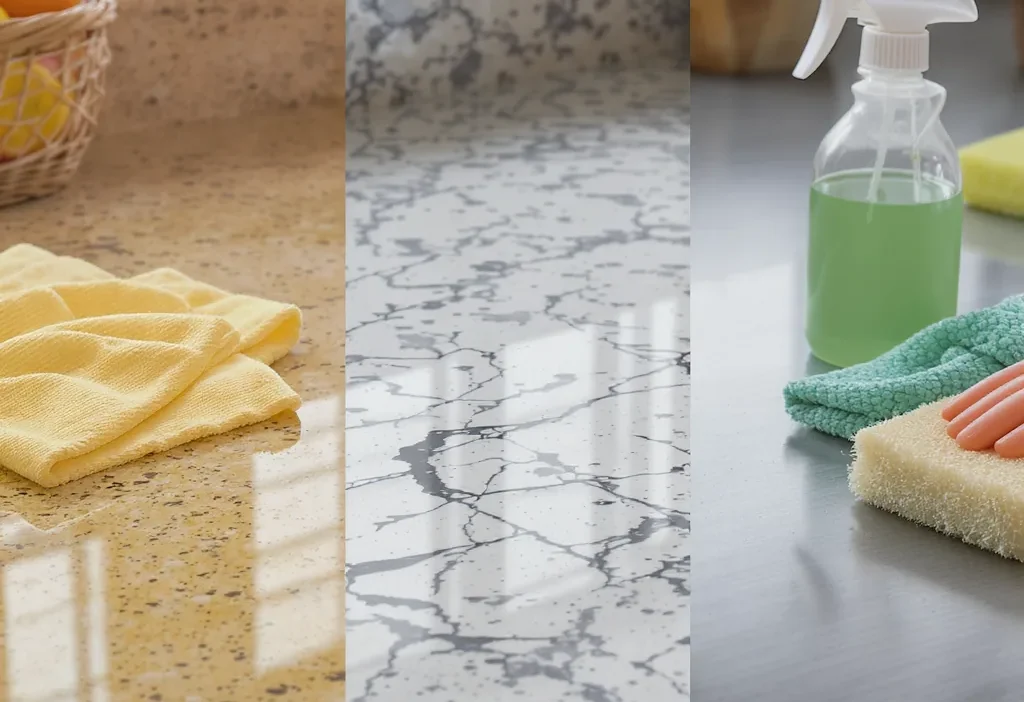
The best way to clean kitchen counters by material is to first identify your surface, then use the right cleaner and technique. For laminate, use a mild dish soap solution and avoid abrasive pads. For stone (granite, quartz, marble), a pH-neutral cleaner is essential to prevent etching. For stainless steel, use a dedicated stainless cleaner or a vinegar-water mix, always wiping with the grain to avoid streaks.
The Universal Pre-Clean: What Every Counter Needs

Photo by Spencer Plouzek on Unsplash
Before you reach for any specialized cleaner, start with this foundational protocol. These steps are safe for every material and set the stage for effective, damage-free cleaning.
First, clear everything off the counter—appliances, utensil holders, the whole lot. This gives you full access and prevents cleaners from damaging items. Next, use a dry microfiber cloth or a soft-bristled brush to gently sweep away crumbs and loose debris. This simple act prevents you from grinding grit into the surface when you start wiping.
Now, you’re ready for a damp cloth. Use lukewarm water and wring the cloth out thoroughly. The goal is for it to be damp, not dripping wet. Excess moisture is the enemy of many countertop materials, especially laminate and wood. This universal pre-clean removes the initial layer of grime and prepares the surface for any targeted cleaning it might need, following the proper countertop cleaning methods for your specific material.
Laminate Countertops: Gentle is the Rule
Laminate is durable but has a vulnerable plastic surface layer. The best approach is gentle and cautious. Harsh chemicals and abrasives will permanently dull the finish, making it look worn and old before its time.
For daily cleaning, a solution of a few drops of mild dish soap in a bowl of warm water is perfect. Dampen a soft cloth (microfiber is ideal), wring it out well, and wipe the surface. Follow up immediately with a second cloth rinsed in clean water to remove any soapy residue. Finally, dry the counter thoroughly with a clean, dry towel to prevent water from seeping into the seams, which can cause swelling.
Avoiding common laminate counter cleaning mistakes is key. Never use abrasive scrubbers, scouring powders, or steel wool. Avoid cleaners with bleach, ammonia, or other strong solvents, as they can break down the surface. Most importantly, never let water or other liquids pool or sit on the surface. By sticking to this gentle routine, you’ll keep your laminate counters looking new for years.
Stone Countertops (Granite, Quartz, Marble): Respect the Surface
Stone countertops demand respect for their composition. Whether it’s natural stone like granite and marble or engineered quartz, using the wrong cleaner can cause permanent, costly damage like etching or dulling the sealant.
The golden rule for cleaning stone countertops safely is to use only pH-neutral cleaners. For daily cleaning, you can use the same mild dish soap and water solution as for laminate, followed by thorough drying. For a dedicated product, choose a cleaner specifically labeled as safe for stone and pH-neutral. Spray it on your cloth, not directly on the counter, to avoid pooling.
Critical warning: Avoid acidic cleaners like vinegar, lemon juice, or generic bathroom cleaners at all costs on calcareous stones (marble, limestone, travertine). They will chemically etch the surface, leaving dull, cloudy marks. For porous stones like granite, regular sealing (once a year or as recommended) is part of proper maintenance. Quartz is non-porous and doesn’t require sealing, but still needs pH-neutral cleaners to preserve its resin binder.
Stainless Steel Counters: Fight Streaks and Fingerprints
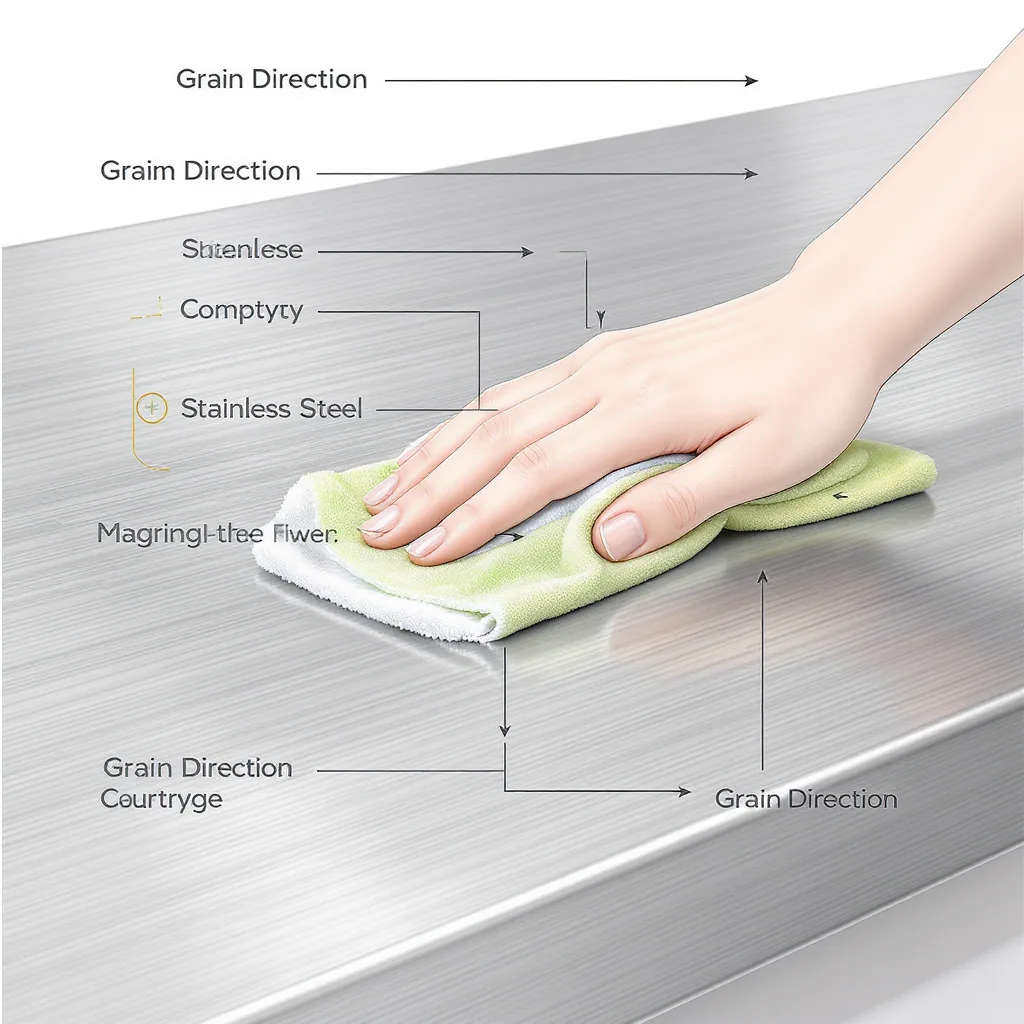
The goal with stainless steel is a sleek, streak-free finish. The secret isn’t just the cleaner—it’s the technique. Always wipe with the grain, the faint brushed lines you can see on the metal. Wiping against it will leave obvious streaks.
For routine stainless steel counter cleaning, you have two excellent options. A dedicated stainless steel cleaner and polish will clean and leave a protective, fingerprint-resistant layer. Alternatively, a simple solution of equal parts white vinegar and water in a spray bottle works well for cutting grease. Spray onto a soft cloth, wipe with the grain, and then immediately buff dry with a second clean, dry cloth. This final dry buff is non-negotiable; it prevents water spots and achieves that professional shine.
Never use abrasive pads, steel wool, or harsh chlorine-based cleaners, as they will scratch the surface. For stubborn dried-on spots, a paste of baking soda and water can be gently applied with a soft cloth, following the grain, then rinsed and dried.
Common Countertop Cleaning Mistakes (And How to Avoid Them)
Even with good intentions, it’s easy to damage counters by falling into common traps. Here’s a quick guide to the biggest don’ts and what to do instead.
Don’t: Use one “all-purpose” cleaner on every surface. Acidic or abrasive formulas can ruin stone and laminate.
Do: Identify your material first and choose a cleaner formulated for it. When in doubt, mild soap and water is a safe start.
Don’t: Scrub stains aggressively with abrasive pads or powders. This scratches finishes permanently.
Do: Use a soft cloth and a gentle, targeted cleaner. For tough stains, let the cleaner sit to loosen the grime before wiping.
Don’t: Ignore the grain on stainless steel. Wiping in circles or against the grain creates a streaky mess.
Do: Always find the grain and wipe in straight lines along it for a uniform, clean look.
Don’t: Use vinegar or lemon-based cleaners on natural stone. This causes chemical etching.
Do: Use only pH-neutral cleaners on granite, marble, and other stone surfaces.
Don’t: Leave counters wet after cleaning. This can cause water spots, swelling (laminate), or weaken sealants.
Do: Make a final pass with a dry microfiber cloth part of your routine for every material.
Troubleshooting Stubborn Stains and Issues
Even with perfect daily care, accidents happen. Here’s how to tackle common problems without causing harm. A universal rule: always test any treatment in an inconspicuous area first.
For Laminate: For dried-on food or light stains, make a paste with baking soda and water. Apply gently with a soft cloth, let it sit for a few minutes, then wipe clean with a damp cloth and dry thoroughly. Avoid anything abrasive.
For Stone (Granite/Quartz): For oil-based stains, a poultice made from baking soda and water (for light stains) or a specialized stone poultice powder may be needed. Apply, cover with plastic wrap, and let sit for 24-48 hours before removing. For quartz, isopropyl alcohol can help remove ink or permanent marker.
For Stainless Steel: To remove water rings or light scratches, a small amount of olive oil or a dedicated stainless steel polish applied with a soft cloth along the grain can help mask them. For deeper scratches, a professional may be needed.
When in doubt, especially for valuable stone surfaces, consulting the countertop manufacturer or a professional is the safest course of action.
Your Kitchen, Confidently Clean
Keeping your kitchen counters spotless and undamaged doesn’t require a cabinet full of specialty products or constant anxiety. It simply requires knowing what you’re working with. By identifying your material, using the right gentle tools, and steering clear of the common pitfalls, you can clean with confidence.
The satisfaction of a well-maintained kitchen is about more than just appearance; it’s about preserving your investment and creating a hygienic space for everything you cook and create. Stick to these material-specific protocols, and you’ll enjoy clean, beautiful counters for years to come.