You’ve been scrubbing the same countertop for what feels like forever, but instead of lifting the grime, your spray just seems to be smearing it into a dull, greasy film. You check the rag, you check your technique, and finally, with a sigh of frustration, you pick up the bottle from under the sink. Its label is faded, the bottom is dusty, and you can’t even remember when you bought it. This moment of wasted effort is a classic sign that your old cleaning products are not working as they should. Chemical formulas degrade over time, leading to weak cleaner results that turn a simple chore into a battle. Before you double down on elbow grease, it’s time to diagnose the problem. This guide will walk you through the quick, telltale signs that your supplies have passed their prime, so you can stop fighting with ineffective solutions and restore your cleaning routine to its full, effortless power.
Old cleaning products can absolutely be the reason your cleaning isn’t working. Chemical breakdown over time leads to weaker cleaners that smear dirt instead of removing it, and expired disinfectants may no longer kill germs effectively. The key signs include a change in smell, color, or consistency; visible separation that won’t remix; and, most obviously, poor performance on surfaces. If you spot these symptoms, stop using the product—it’s wasting your effort and may not be sanitizing properly.
The 5 Telltale Signs Your Cleaner Has Gone Bad
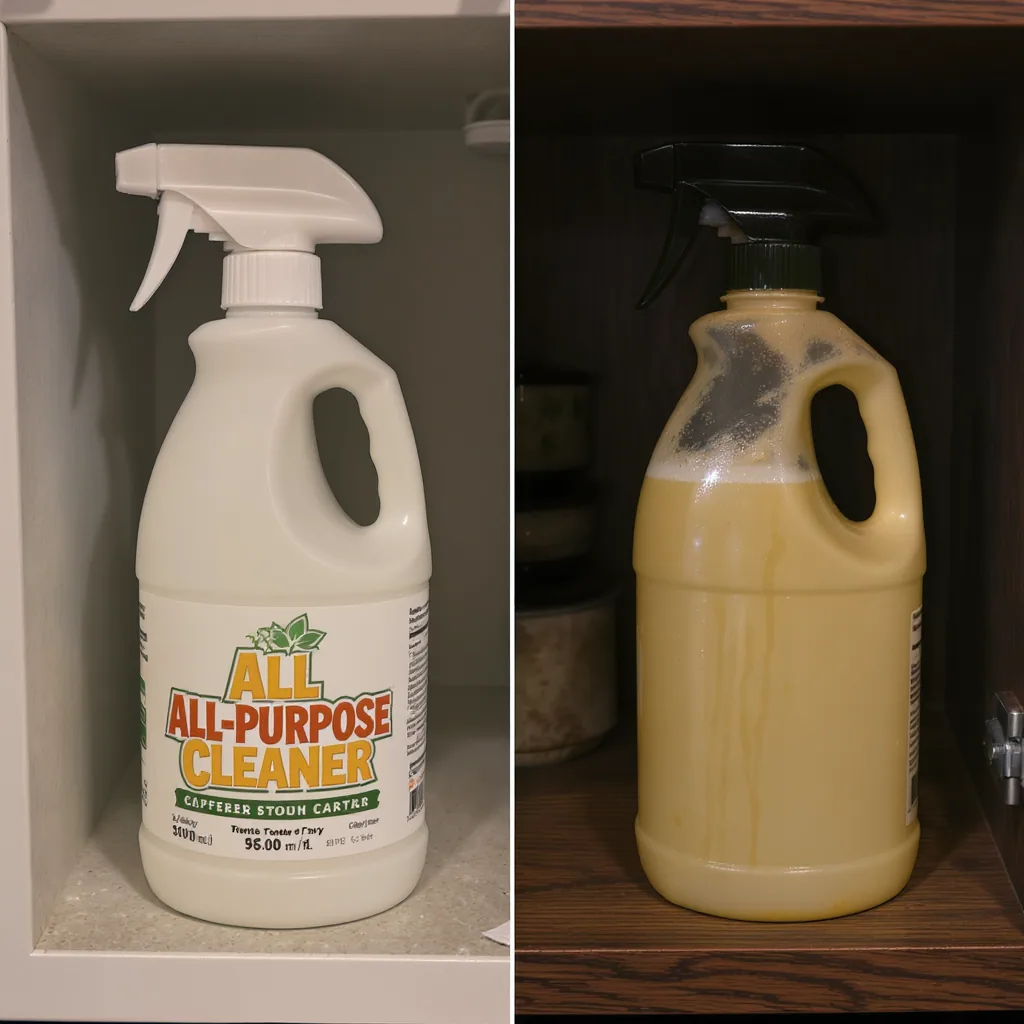
If you suspect your old cleaning products are not working, your first step is a simple inspection. Don’t just assume you need to scrub harder. Look for these five clear signs of degradation that explain those weak cleaner results.
1. Changed Color or Cloudiness
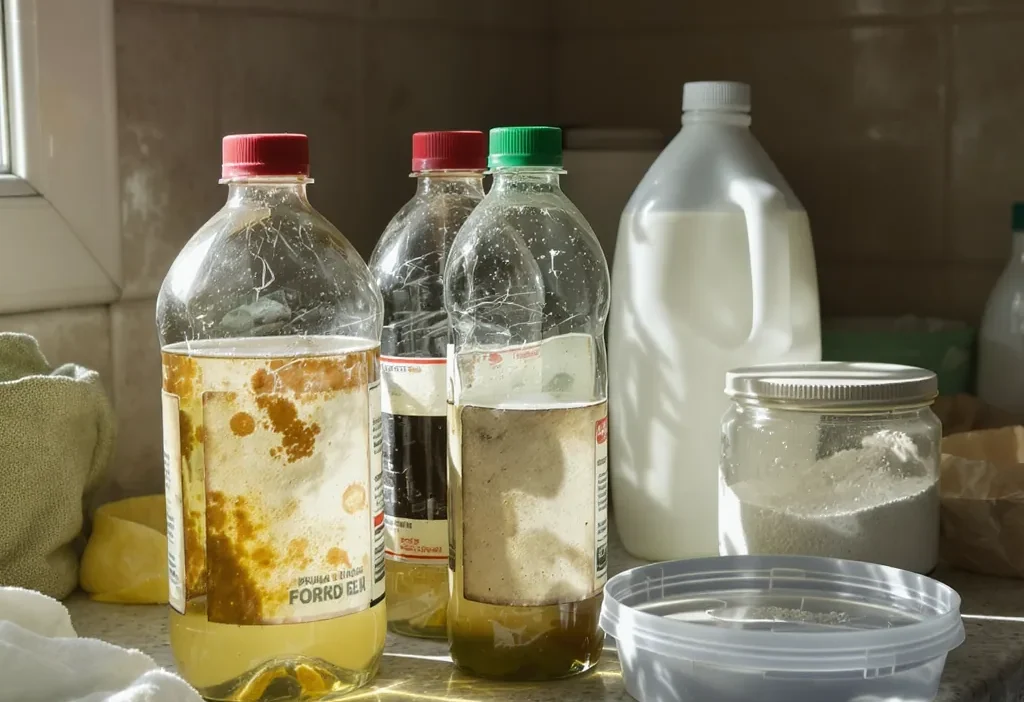
A clear cleaner turning yellow, brown, or milky is a major red flag. This is often caused by oxidation or exposure to light, which breaks down the active ingredients. For example, a bleach-based solution losing its clear, slightly yellow tint and turning very yellow or brown has likely lost most of its disinfecting power.
2. Strange or Faded Smell
Cleaning products have signature scents from active chemicals or added fragrances. If your lemon-scented cleaner now smells like plain vinegar or your pine disinfectant has no scent at all, the volatile compounds have evaporated. Conversely, a sour or “off” smell can indicate bacterial or mold growth inside the bottle itself.
3. Separation That Won’t Remix
Many cleaners are emulsions. A little separation is normal, but a good shake should blend it back. If you shake the bottle vigorously and it remains layered or has stubborn clumps at the bottom, the emulsifying agents have broken down. The product will not perform uniformly, leading to streaks and residue.
4. Altered Consistency
Notice if the liquid has become too watery or too thick and gel-like. Water evaporation through a loose cap can concentrate a product, while absorption of moisture can dilute it. A thickened, gloopy consistency often means polymers in soaps or detergents have degraded. Either change points to a formula that’s no longer stable.
5. Visible Mold or Residue
Check around the cap and inside the bottle neck. Fuzzy spots or a filmy ring are clear signs of microbial contamination, especially in “natural” or water-based formulas without strong preservatives. Using this product can spread microbes instead of removing them.
Why Old Cleaners Stop Working: The Science of Shelf Life
Photo by Jeremy Perkins on Unsplash
Those signs aren’t just cosmetic. They’re visual proof of chemical breakdown. Think of a cleaning product like a recipe where the ingredients can spoil or evaporate over time. Here’s what’s actually happening inside those expired cleaning supplies on your shelf.
The most common culprit is evaporation. Many active ingredients, like the ammonia in glass cleaners or the alcohols in disinfectant sprays, are volatile. Even with a cap screwed on tightly, tiny amounts can escape over months and years, leaving behind a less potent solution. This is why an old bottle might smell weaker.
Oxidation is another key process. When cleaners are exposed to air (every time you open them) or light, a chemical reaction occurs. This is especially damaging to bleach (sodium hypochlorite), which breaks down into salt and water, and to hydrogen peroxide. The active oxygen molecules that do the cleaning simply dissipate.
Finally, physical stability fails. Emulsifiers that keep soap suspended in water degrade. Preservatives that fight microbial growth in water-based formulas become exhausted. This leads to the separation and contamination you can see. Once this happens, the degraded cleaning chemicals are no longer the formula you bought.
Common Mistakes When Using Old Cleaning Supplies
Faced with a underperforming cleaner, it’s tempting to try and make it work. But these common reactions often backfire, wasting more time and potentially creating new problems.
Don’t: Use More Product
Mistake: Pouring twice as much of a weak cleaner onto your sponge, thinking a higher concentration will help.
Why it’s wrong: You’re likely just applying more water, surfactants, and fragrances that have outlived their active ingredients. This leads to excessive suds, difficult-to-rinse residue, and a waste of product.
Do: If a normal amount isn’t working, stop. The product is likely past its prime.
Don’t: Mix Old Products to “Boost” Them
Mistake: Combining an old bleach cleaner with an old ammonia cleaner to create a “super cleaner.”
Why it’s wrong: This is extremely dangerous. Mixing certain chemicals, even old ones, can produce toxic gases like chloramine. The age of the products makes the reaction unpredictable.
Do: Never mix cleaning chemicals, period. For effective cleaning, use a single, fresh product designed for the task.
Don’t: Assume “Smells Strong = Works”
Mistake: Thinking a pungent, chemical smell means the disinfectant is still potent.
Why it’s wrong: The harsh smell often comes from solvents or carriers, not the active germ-killing agent. Those actives may have degraded silently. An expired disinfectant may still irritate your lungs but fail to kill pathogens.
Do: Rely on the visual signs and expiration dates, not just odor, especially for health-critical areas like kitchens and bathrooms.
What to Do With Expired or Questionable Products
Once you’ve identified bad products, you need to handle them safely and replace them with a system that maximizes shelf life.
Safe Disposal is Key
Never simply pour old chemicals down the drain. Harsh chemicals can damage plumbing and wastewater systems. For most common household cleaners (all-purpose, glass, bathroom cleaners), you can dispose of them in the trash if you take a precaution: absorb the liquid with cat litter or paper towels, place it in a sealed bag, and put it in your regular garbage. For more hazardous items like oven cleaner, paint thinner, or large quantities, check with your local household hazardous waste (HHW) facility. A resource like the EPA’s guide on household hazardous waste can help you find local options.
Smart Storage for New Products
To extend the life of your new supplies, store them in a cool, dark, and dry place. Avoid the garage or a shed where temperature extremes are common, as heat accelerates chemical breakdown. Always tighten caps immediately after use to minimize evaporation and contamination. A simple pro tip: use a permanent marker to write the purchase month and year on the bottle when you open it. This takes the guesswork out of tracking the shelf life of cleaning products.
Stop Washing Your Time Away
Recognizing the signs that your cleaning products have turned is more than a cleaning hack—it’s a efficiency upgrade. You save the frustration of wasted effort, the money spent on double-dosing bad product, and you ensure your home is genuinely clean and sanitized. That dusty bottle at the back of the cabinet isn’t a bargain; it’s a burden. Make it a habit to do a quick visual audit of your supplies every few months. Toss what’s questionable, replace it with a fresh, effective product, and reclaim your cleaning time.