You’ve just given your kitchen counter or bathroom mirror a thorough spray-down, wiping diligently until it shines. But as you step back, the victory is short-lived. Instead of a pristine finish, you’re met with a streaky, sticky film that seems to attract every speck of dust, making the surface look worse than when you started. This frustratingly common moment is almost always the result of one simple, well-intentioned mistake: using too much cleaner. It feels counterintuitive—surely more product means more cleaning power—but in reality, over-applying spray or soap creates a residue that traps grime, wastes money, and can even damage surfaces. This article explains exactly why this backfires and provides the easiest, most practical fixes to get your cleaning efforts back on track.
Applying excessive cleaner leaves a soapy or chemical residue that actually attracts and holds onto dirt and grime, making surfaces look worse. The easiest fix is to use the recommended amount, dilute concentrates properly, and always follow up with a clean, damp cloth to rinse and dry the surface. This removes the sticky film, prevents streaking, and ensures the cleaning agents can work effectively without leaving behind a mess.
The Sticky Truth: Why More Cleaner Makes a Bigger Mess
It feels logical: more cleaning power should equal a cleaner surface. But the chemistry of cleaning products tells a different story. When you use too much cleaner, you’re not just being thorough—you’re actively creating a new problem. The core issue is residue. Most cleaners, especially soaps and surfactants, are designed to lift dirt and suspend it so it can be wiped away. If you don’t fully remove the cleaner itself, that sticky film dries on the surface.
This soap residue from cleaning becomes a magnet for dust, grease, and grime. Instead of a clean slate, you’ve left behind a thin, adhesive layer that attracts dirt faster than before you cleaned. Furthermore, overusing cleaning spray or using full-strength concentrates can dilute the very active ingredients meant to break down grime or disinfect, making them less effective. On porous surfaces like wood or stone, excess moisture can seep in and cause damage over time. Ultimately, this common using too much cleaner mistakes cycle wastes product, wastes your effort, and leaves you with a surface that looks worse, not better.
Photo by Jason Metnick on Unsplash
Spot the Symptoms: Signs You’ve Used Way Too Much
How do you know if you’re guilty of over-application? Your surfaces will tell you. Look for these clear signs that point directly to excess cleaning product.
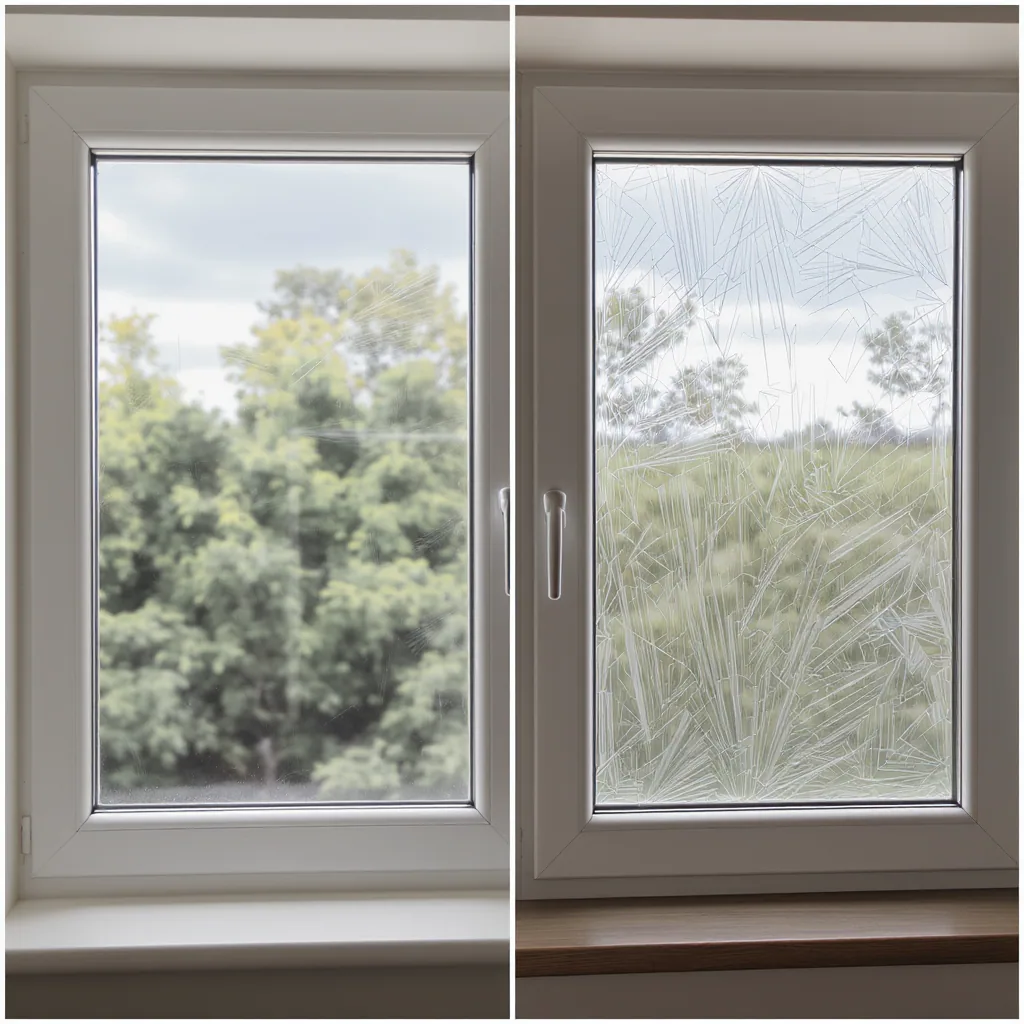
Streaks and haze on glass/mirrors: This is the classic giveaway. If your windows or mirrors dry with streaks or a cloudy film, the cleaner wasn’t fully removed. The residue diffuses light, creating that frustrating haze.
Sticky or tacky countertops: Run your hand over a freshly cleaned counter. Does it feel slightly grabby or leave a squeaky sound? That’s dried soap or chemical film.
White, chalky film on stainless steel or dark surfaces: Mineral deposits or surfactants from hard water and cleaner mix can leave a visible white residue, especially noticeable on dark stone or appliances.
Floors that seem to attract dirt instantly: If your floors look dirty again just hours after mopping, the cleaning product residue is likely trapping new dirt from the air and feet.
A strong, lingering chemical smell: While some smell is normal, an odor that hangs in the air long after cleaning often means excess product is still evaporating off your surfaces.
Your Quick-Fix Rescue Plan for Common Surfaces
If you’re facing the aftermath of overusing cleaning spray, don’t panic. The universal fix is simple: rinse and dry. You need to remove the leftover film. Here’s how to do it on the most common problem surfaces.
For Glass, Windows, and Mirrors
Mix a solution of one part white vinegar to four parts water in a spray bottle. Lightly mist the glass and wipe immediately with a clean, lint-free microfiber cloth. The mild acidity of the vinegar helps cut through the alkaline soap residue. Dry thoroughly with a second clean, dry cloth.
For Countertops (Laminate, Stone, Solid Surface)
Dampen a clean cloth with plain warm water. Wipe down the entire surface to rinse off the cleaner residue. Follow immediately with a dry towel to buff it completely dry. For stubborn sticky surface after cleaning, a second pass with the damp cloth may be needed.
For Floors (Tile, Vinyl, Laminate)
Empty your mop bucket, fill it with clean, warm water, and go over the floor again. This rinse mop will lift the leftover soap. Change the water if it becomes sudsy. Allow to air dry or dry with a clean towel for streak-free results.
For Bathroom Fixtures & Stainless Steel
Wipe fixtures down with a cloth dampened with water, then dry with a separate cloth to prevent water spots. For stainless steel, always wipe with the grain for an invisible finish.
The Right Way: How to Measure and Apply Cleaner (Every Time)
Prevention is easier than the rescue. Adopt these simple habits to avoid over-application of cleaner and get perfect results every time.
DO read and follow dilution instructions. For concentrates, this is non-negotiable. Using a product full-strength is a primary cause of residue and can damage surfaces. Use a measuring cap or cup.
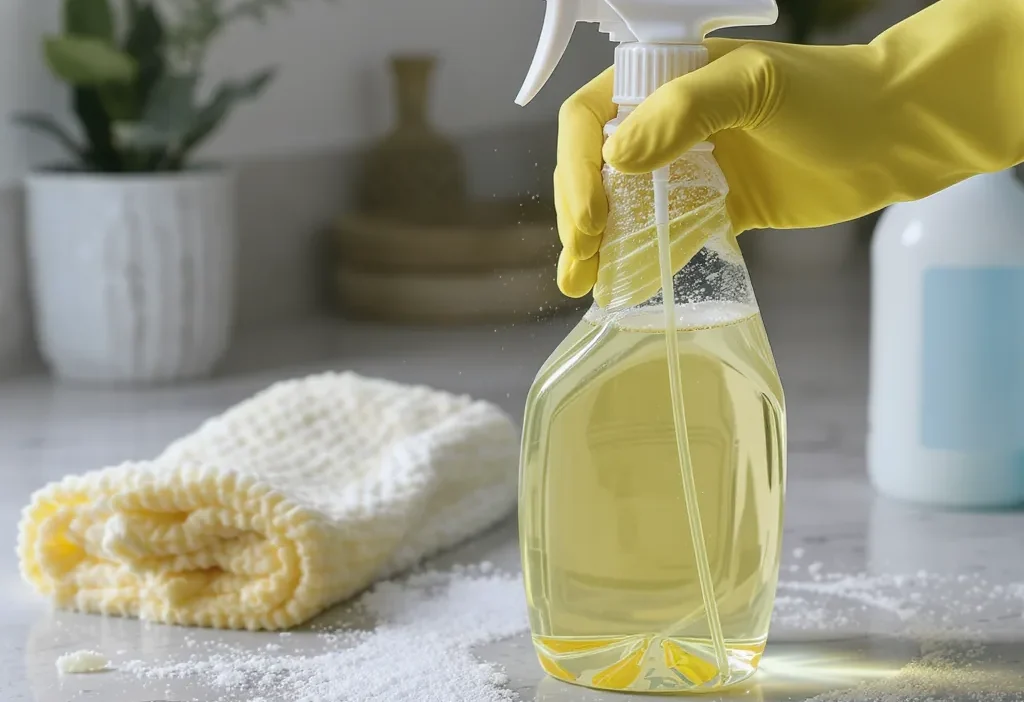
DO use a spray bottle for control. A fine mist is all you need for most surfaces. Spray from a distance of 6-8 inches to coat lightly, not soak.
DO work in small sections. Clean and fully dry one 2×2 foot area before moving to the next. This prevents the cleaner from drying and leaving a film.
DON’T pour cleaner directly onto a surface. This almost always leads to using too much, creating a pool that’s difficult to fully remove and can damage sensitive materials.
DON’T use dirty cloths or mop heads. A soiled tool just spreads old dirt and residue around. Switch to a clean side or a new cloth frequently during your cleaning session.
DON’T confuse quantity with effectiveness. For disinfectants, it’s about “dwell time” (keeping the surface wet for the time on the label), not the volume of liquid. A light mist that stays wet is more effective than a soaked surface that dries quickly.
Clean Smarter, Not Harder
Effective cleaning isn’t a volume game. It’s a technique game. By understanding that more product often creates more problems—like sticky residue and streaky surfaces—you can break the cycle of frustration and wasted effort. The next time you clean, challenge yourself to use half the amount you normally would. Focus on proper application, a clean cloth, and that crucial final rinse or dry buff. You’ll likely find your surfaces are cleaner, shine brighter, and stay that way longer. It’s a simple shift that saves you money, protects your home, and actually makes cleaning easier.